Buy kodeksdobregopiwa.pl ?
We are moving the project
kodeksdobregopiwa.pl .
Are you interested in purchasing the domain
kodeksdobregopiwa.pl ?
domain@kv-gmbh.de · 0541-91531010
Buy kodeksdobregopiwa.pl ?
Which connection is flown by twin-engine, three-engine, and four-engine aircraft?
The connection that is typically flown by twin-engine, three-engine, and four-engine aircraft is long-haul international flights. These types of aircraft are designed for extended flights over large bodies of water or across continents, making them ideal for long-distance travel. They offer the range and capacity needed to cover these extensive distances while providing a comfortable and efficient journey for passengers. **
Which routes are flown by twin-engine, three-engine, and four-engine aircraft?
Twin-engine aircraft typically fly shorter routes, such as domestic or regional flights. Three-engine aircraft are less common, but they are often used for medium-haul routes, such as transcontinental flights. Four-engine aircraft, such as the Boeing 747 or Airbus A380, are used for long-haul international flights, covering routes that require extended range and capacity. These aircraft are designed to handle the demands of long-distance travel and are often used for intercontinental flights. **
Similar search terms for Three-engine
Top-Angebote
Products related to Three-engine:
-
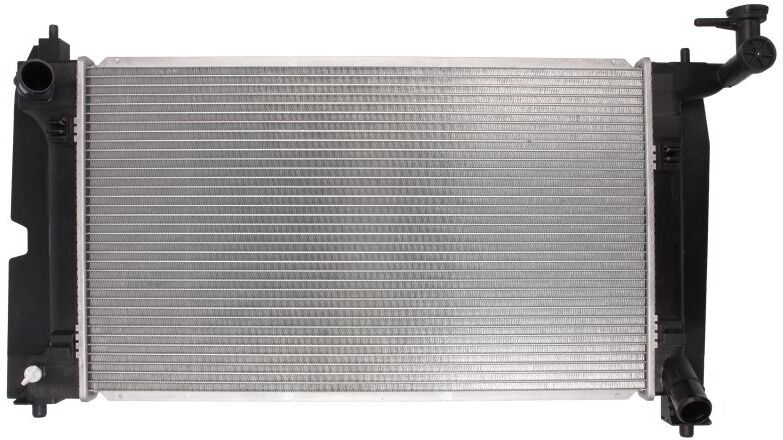
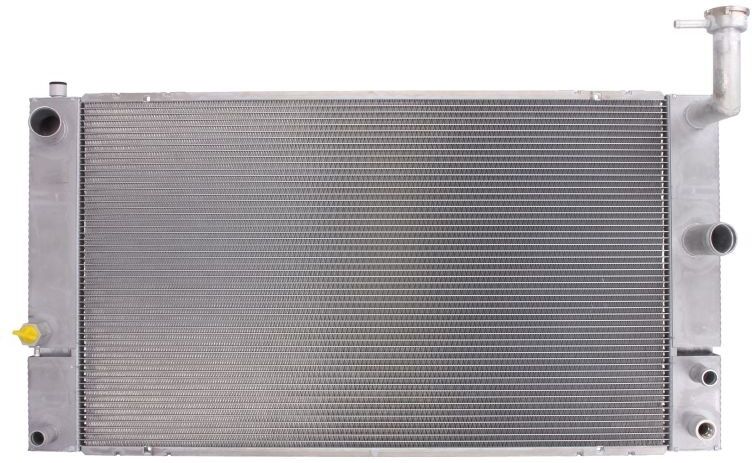
KOYORAD PL413504 Engine radiatorRadiator type: Brazed cooling fins; Core Length [mm]: 640; Core Width [mm]: 422; Core Depth [mm]: 32; Water Tank Material (radiator): Plastic; Cooling Fin Material: Aluminium; Inlet Diameter [mm]: 45.8; Outlet Diameter [mm]: 45.8; Outlet Diameter 1 [mm]: 27.9; Outlet Diameter 2 [mm]: 9; Connector type: QuickFit239,99 £*Shipping: 1,99 £Secure redirect to the provider
-
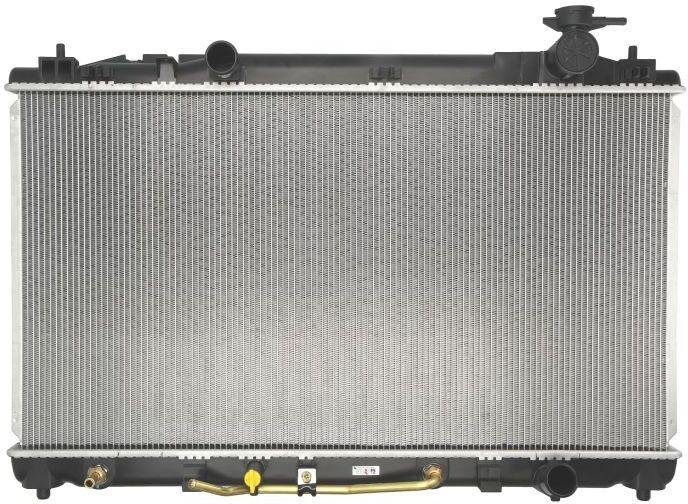
KOYORAD PL063683R Engine radiatorCooling Fin Material: Aluminium; Water Tank Material (radiator): Plastic; Inlet Diameter [mm]: 33; Outlet Diameter [mm]: 33; Core Length [mm]: 425; Core Width [mm]: 741; Core Depth [mm]: 27; Radiator type: Brazed cooling fins; Vehicle Equipment: for vehicles with automatic transmission; Transmission Type: Automatic Transmission173,99 £*Shipping: 1,99 £Secure redirect to the provider
-
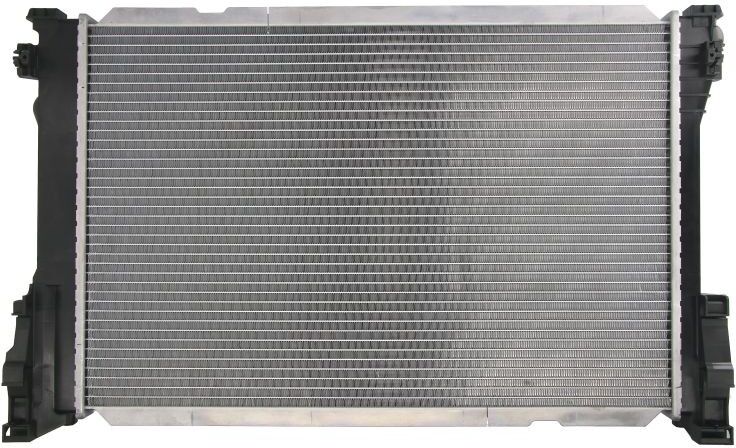
KOYORAD AA010012 Engine radiatorCore Width [mm]: 600; Core Length [mm]: 350; Core Depth [mm]: 16; Material: Aluminium; Housing Type: Synthetic Material Housing; Inlet Diameter [mm]: 31; Outlet Diameter [mm]: 31; Heating/Cooling: for vehicles without oil cooler; Radiator type: Brazed cooling fins; Weight [kg]: 4,07; Transmission Type: Automatic Transmission; Transmission Type: CVT automatic transmission (stepless); Construction Year to: 03/2009200,99 £*Shipping: 1,99 £Secure redirect to the provider
-
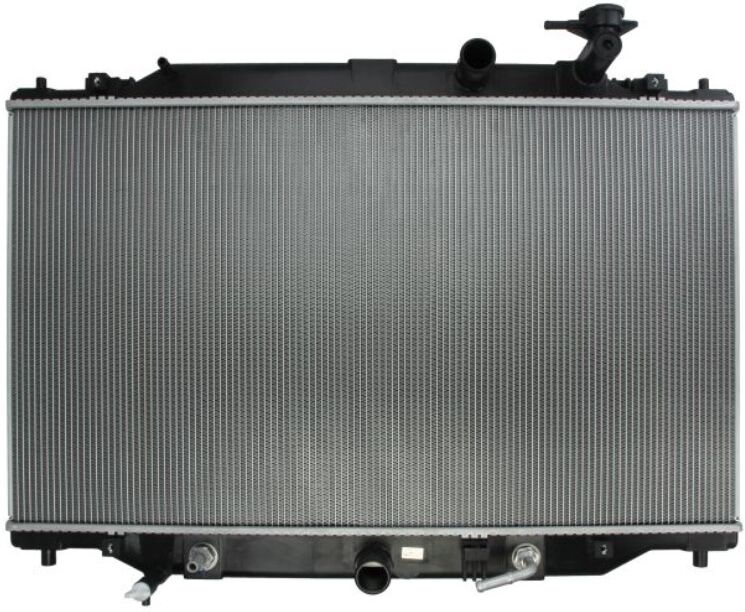
NRF 53195A Engine radiatorMaterial: Aluminium; Core Length [mm]: 450; Core Width [mm]: 396; Core Depth [mm]: 18; Version: Alternative; Radiator type: Mechanically jointed cooling fins; Transmission Type: 5-Speed Manual Transmission; Braking/Driving Dynamics: for vehicles without ESP; Vehicle Equipment: for vehicles with air conditioning55,99 £*Shipping: 8,45 £Secure redirect to the provider

-
How much mileage can a three-cylinder engine achieve?
The mileage that a three-cylinder engine can achieve varies depending on factors such as the size of the engine, the vehicle it is installed in, driving conditions, and maintenance. Generally, three-cylinder engines are known for their fuel efficiency and can achieve good mileage compared to larger engines. With advancements in technology and design, modern three-cylinder engines can achieve impressive fuel economy, making them a popular choice for smaller vehicles and city driving. **
-
How long does a three-cylinder turbo engine last approximately?
A three-cylinder turbo engine can last approximately 150,000 to 200,000 miles with proper maintenance and care. Regular oil changes, timely replacement of filters, and adherence to the manufacturer's recommended service schedule can help extend the lifespan of the engine. However, driving habits, environmental conditions, and the quality of fuel used can also impact the longevity of the engine. **
-
How is the interior cleaning of a three-cylinder engine carried out?
The interior cleaning of a three-cylinder engine is typically carried out by using a fuel system cleaner or engine flush. This involves adding the cleaning solution to the fuel tank and running the engine to allow the cleaner to circulate through the fuel system and engine components. The cleaning solution helps to remove carbon deposits, varnish, and other contaminants from the engine's interior surfaces. It is important to follow the manufacturer's recommendations and use a cleaner specifically designed for use in three-cylinder engines to ensure safe and effective cleaning. Regular maintenance and using high-quality fuel can also help prevent the buildup of deposits in the engine. **
-
Is driving at low revs bad for a three-cylinder non-turbo gasoline engine?
Driving at low revs for a three-cylinder non-turbo gasoline engine is not necessarily bad, as long as it is done within the recommended range for the engine. However, consistently driving at very low revs may lead to carbon buildup in the engine and affect its overall performance. It is important to vary the engine speed occasionally to prevent any potential issues and ensure proper lubrication and combustion within the engine. Regular maintenance and following the manufacturer's guidelines for driving and maintenance will help keep the engine in good condition. **
Why are the very small combustion engine three-door cars and large vans disappearing?
The disappearance of very small combustion engine three-door cars and large vans can be attributed to several factors. Firstly, there is a growing trend towards more fuel-efficient and environmentally friendly vehicles, which has led to a decline in the popularity of small combustion engine cars. Additionally, the increasing demand for electric and hybrid vehicles has also contributed to the decline of traditional combustion engine cars. As for large vans, the rise of online shopping and delivery services has led to a shift towards smaller, more agile delivery vehicles, such as vans and trucks, which are better suited for urban environments. Finally, stricter emissions regulations and government incentives for electric vehicles have also played a role in the decline of traditional combustion engine cars and large vans. **
Is driving at low RPM bad for a three-cylinder gasoline engine without a turbo?
Driving at low RPM in a three-cylinder gasoline engine without a turbo can be detrimental for the engine in the long run. Running the engine at low RPM for extended periods can lead to incomplete combustion, which can cause carbon buildup in the engine and lead to issues like reduced fuel efficiency, loss of power, and increased emissions. It is generally recommended to drive at higher RPMs occasionally to help prevent these issues and keep the engine running smoothly. **
Top-Angebote
Products related to Three-engine:
-
KOYORAD PL012017 Engine radiatorCore Dimensions: 400 x 752 x 16 mm; Vehicle Equipment: for vehicles with/without air conditioning; Vehicle Equipment: for vehicles with/without air conditioning; Transmission Type: Automatic Transmission; Transmission Type: Automatic Transmission132,99 £*Shipping: 1,99 £Secure redirect to the provider
-
KOYORAD PL413504 Engine radiatorRadiator type: Brazed cooling fins; Core Length [mm]: 640; Core Width [mm]: 422; Core Depth [mm]: 32; Water Tank Material (radiator): Plastic; Cooling Fin Material: Aluminium; Inlet Diameter [mm]: 45.8; Outlet Diameter [mm]: 45.8; Outlet Diameter 1 [mm]: 27.9; Outlet Diameter 2 [mm]: 9; Connector type: QuickFit239,99 £*Shipping: 1,99 £Secure redirect to the provider
-
KOYORAD PL063683R Engine radiatorCooling Fin Material: Aluminium; Water Tank Material (radiator): Plastic; Inlet Diameter [mm]: 33; Outlet Diameter [mm]: 33; Core Length [mm]: 425; Core Width [mm]: 741; Core Depth [mm]: 27; Radiator type: Brazed cooling fins; Vehicle Equipment: for vehicles with automatic transmission; Transmission Type: Automatic Transmission173,99 £*Shipping: 1,99 £Secure redirect to the provider
-
Which connection is flown by twin-engine, three-engine, and four-engine aircraft?
The connection that is typically flown by twin-engine, three-engine, and four-engine aircraft is long-haul international flights. These types of aircraft are designed for extended flights over large bodies of water or across continents, making them ideal for long-distance travel. They offer the range and capacity needed to cover these extensive distances while providing a comfortable and efficient journey for passengers. **
-
Which routes are flown by twin-engine, three-engine, and four-engine aircraft?
Twin-engine aircraft typically fly shorter routes, such as domestic or regional flights. Three-engine aircraft are less common, but they are often used for medium-haul routes, such as transcontinental flights. Four-engine aircraft, such as the Boeing 747 or Airbus A380, are used for long-haul international flights, covering routes that require extended range and capacity. These aircraft are designed to handle the demands of long-distance travel and are often used for intercontinental flights. **
-
How much mileage can a three-cylinder engine achieve?
The mileage that a three-cylinder engine can achieve varies depending on factors such as the size of the engine, the vehicle it is installed in, driving conditions, and maintenance. Generally, three-cylinder engines are known for their fuel efficiency and can achieve good mileage compared to larger engines. With advancements in technology and design, modern three-cylinder engines can achieve impressive fuel economy, making them a popular choice for smaller vehicles and city driving. **
-
How long does a three-cylinder turbo engine last approximately?
A three-cylinder turbo engine can last approximately 150,000 to 200,000 miles with proper maintenance and care. Regular oil changes, timely replacement of filters, and adherence to the manufacturer's recommended service schedule can help extend the lifespan of the engine. However, driving habits, environmental conditions, and the quality of fuel used can also impact the longevity of the engine. **
Similar search terms for Three-engine
-
KOYORAD AA010012 Engine radiatorCore Width [mm]: 600; Core Length [mm]: 350; Core Depth [mm]: 16; Material: Aluminium; Housing Type: Synthetic Material Housing; Inlet Diameter [mm]: 31; Outlet Diameter [mm]: 31; Heating/Cooling: for vehicles without oil cooler; Radiator type: Brazed cooling fins; Weight [kg]: 4,07; Transmission Type: Automatic Transmission; Transmission Type: CVT automatic transmission (stepless); Construction Year to: 03/2009200,99 £*Shipping: 1,99 £Secure redirect to the provider
-
NRF 53195A Engine radiatorMaterial: Aluminium; Core Length [mm]: 450; Core Width [mm]: 396; Core Depth [mm]: 18; Version: Alternative; Radiator type: Mechanically jointed cooling fins; Transmission Type: 5-Speed Manual Transmission; Braking/Driving Dynamics: for vehicles without ESP; Vehicle Equipment: for vehicles with air conditioning55,99 £*Shipping: 8,45 £Secure redirect to the provider
-
How is the interior cleaning of a three-cylinder engine carried out?
The interior cleaning of a three-cylinder engine is typically carried out by using a fuel system cleaner or engine flush. This involves adding the cleaning solution to the fuel tank and running the engine to allow the cleaner to circulate through the fuel system and engine components. The cleaning solution helps to remove carbon deposits, varnish, and other contaminants from the engine's interior surfaces. It is important to follow the manufacturer's recommendations and use a cleaner specifically designed for use in three-cylinder engines to ensure safe and effective cleaning. Regular maintenance and using high-quality fuel can also help prevent the buildup of deposits in the engine. **
-
Is driving at low revs bad for a three-cylinder non-turbo gasoline engine?
Driving at low revs for a three-cylinder non-turbo gasoline engine is not necessarily bad, as long as it is done within the recommended range for the engine. However, consistently driving at very low revs may lead to carbon buildup in the engine and affect its overall performance. It is important to vary the engine speed occasionally to prevent any potential issues and ensure proper lubrication and combustion within the engine. Regular maintenance and following the manufacturer's guidelines for driving and maintenance will help keep the engine in good condition. **
-
Why are the very small combustion engine three-door cars and large vans disappearing?
The disappearance of very small combustion engine three-door cars and large vans can be attributed to several factors. Firstly, there is a growing trend towards more fuel-efficient and environmentally friendly vehicles, which has led to a decline in the popularity of small combustion engine cars. Additionally, the increasing demand for electric and hybrid vehicles has also contributed to the decline of traditional combustion engine cars. As for large vans, the rise of online shopping and delivery services has led to a shift towards smaller, more agile delivery vehicles, such as vans and trucks, which are better suited for urban environments. Finally, stricter emissions regulations and government incentives for electric vehicles have also played a role in the decline of traditional combustion engine cars and large vans. **
-
Is driving at low RPM bad for a three-cylinder gasoline engine without a turbo?
Driving at low RPM in a three-cylinder gasoline engine without a turbo can be detrimental for the engine in the long run. Running the engine at low RPM for extended periods can lead to incomplete combustion, which can cause carbon buildup in the engine and lead to issues like reduced fuel efficiency, loss of power, and increased emissions. It is generally recommended to drive at higher RPMs occasionally to help prevent these issues and keep the engine running smoothly. **
* All prices are inclusive of VAT and, if applicable, plus shipping costs. The offer information is based on the details provided by the respective shop and is updated through automated processes. Real-time updates do not occur, so deviations can occur in individual cases. ** Note: Parts of this content were created by AI.