Buy kodeksdobregopiwa.pl ?
We are moving the project
kodeksdobregopiwa.pl .
Are you interested in purchasing the domain
kodeksdobregopiwa.pl ?
domain@kv-gmbh.de · 0541-91531010
Buy kodeksdobregopiwa.pl ?
Where is custody regulated?
Custody is regulated at both the state and federal levels in the United States. Each state has its own laws and guidelines regarding child custody, which are typically based on the best interests of the child. Additionally, federal laws such as the Uniform Child Custody Jurisdiction and Enforcement Act (UCCJEA) help to ensure consistency and cooperation between states in custody matters. Overall, custody is a complex legal issue that is governed by a combination of state and federal laws. **
How can they be regulated?
They can be regulated through government policies and regulations that set standards for their production, distribution, and use. This can include laws that limit the amount of pollutants they can emit, require the use of certain technologies to reduce environmental impact, or mandate reporting and monitoring of their operations. Additionally, industry-specific regulations and oversight bodies can help ensure compliance with these regulations and hold companies accountable for any violations. Public pressure and consumer demand for more sustainable practices can also influence companies to self-regulate and adopt more environmentally friendly policies. **


Similar search terms for Regulated
Top-Angebote
Products related to Regulated:
-
Raw Naturals Pale Ale Shower Gel 300mlThis mild and refreshing shower brew takes your shower experience to the next level. The formula transforms into an airy lather and rinses off smoothly, leaving your body and hair thoroughly cleansed, and perfumed to perfection. Key ingredients Mild natural cleansing agents from apple: cleanses deeply. Extracts from hops: caring, calming, and hydrating. Ingredients Aqua, Sodium Lauroyl Methyl Isethionate, Cocamidopropyl Betaine, Glycerin, Sodium Cocoyl Apple Amino Acids, Sodium Chloride, PEG-200 Hydrogenated Glyceryl Palmate, PEG-7 Glyceryl Cocoate, Parfum, Sodium Benzoate, Hydroxypropyl Guar Hydroxypropyltrimonium Chloride, Potassium Sorbate, Citric Acid, Hexylene Glycol, Humulus Lupulus Extract12,99 £*Shipping: 2,95 £Secure redirect to the provider
-
Libbey Craft Brews Nucleated Pint Beer Glasses, 16.75-ounce, Set of 4 - Set of 4Inspired by lovers of a quality cold beer at the end of a long week, the Libbey Craft Brews Nucleated collection is designed to help you get the most out of every sip of your favorite pilsner, ale, stout, IPA, or favorite craft beer.39,52 $*Shipping: 0,00 $Secure redirect to the provider
-
Aeric 50 Pint Dehumidifier - 50 PintThe Energy Star top-rated Aeric 50-pint dehumidifier removes 50 pints of moisture from the air each day, humidistat controls up to 90% humidity, removing dampness and protecting your home from excess moisture.299,99 $*Shipping: 0,00 $Secure redirect to the provider



-
How is sick pay regulated?
Sick pay is regulated by a combination of federal, state, and local laws in the United States. The Family and Medical Leave Act (FMLA) requires certain employers to provide unpaid leave for medical reasons, including sickness. Some states and cities have also implemented paid sick leave laws that require employers to provide a certain amount of paid sick leave to employees. Additionally, some employers may offer sick pay as part of their company policies or collective bargaining agreements with unions. Overall, sick pay regulations can vary depending on the location and size of the employer. **
-
How are company holidays regulated?
Company holidays are regulated by the company's policies and procedures, which are typically outlined in the employee handbook or through communication from the human resources department. These policies may include information on the number of holidays provided, how they are determined (e.g. fixed holidays or floating holidays), and any eligibility criteria for employees to receive holiday pay. Additionally, company holidays may be regulated by federal or state labor laws, which may dictate minimum requirements for holiday pay and time off. Overall, company holidays are regulated through a combination of internal company policies and external legal regulations. **
-
What is a regulated activity?
A regulated activity is an economic or financial activity that is subject to oversight and regulation by a government authority or regulatory body. These activities are typically considered to be of significant importance to the functioning of the economy or the protection of consumers, and therefore require specific rules and standards to be followed. Examples of regulated activities can include banking, insurance, investment services, and healthcare. Compliance with regulations is necessary to ensure the safety, stability, and integrity of these industries. **
-
How is enzyme activity regulated?
Enzyme activity is regulated through various mechanisms such as allosteric regulation, covalent modification, and competitive inhibition. In allosteric regulation, molecules bind to specific sites on the enzyme, causing a conformational change that either activates or inhibits the enzyme's activity. Covalent modification involves the addition or removal of chemical groups, such as phosphorylation or dephosphorylation, which can alter the enzyme's activity. Competitive inhibition occurs when a molecule competes with the substrate for binding to the enzyme's active site, thereby reducing the enzyme's activity. These regulatory mechanisms allow cells to control enzyme activity in response to changing environmental conditions and metabolic demands. **

Should meat consumption be regulated?
Meat consumption should be regulated to some extent in order to address environmental, health, and ethical concerns. The meat industry is a major contributor to greenhouse gas emissions and deforestation, so regulating consumption could help mitigate these impacts. Additionally, excessive meat consumption has been linked to various health issues, so regulation could help promote healthier dietary choices. From an ethical standpoint, regulating meat consumption could also help address animal welfare concerns. However, it's important to balance regulation with individual choice and cultural practices. **
How is parking regulated in Florence?
Parking in Florence is regulated through a system of paid parking zones, known as "Zona a Traffico Limitato" (ZTL). These zones are restricted to residents and authorized vehicles only, with limited access for tourists. Visitors can park in designated areas outside the ZTL zones or in paid parking lots. Additionally, there are blue lines painted on the streets indicating paid parking spots, where drivers must purchase a ticket from nearby machines. Failure to comply with parking regulations can result in fines or towing of the vehicle. **
Top-Angebote
Products related to Regulated:
-
Dartington Beer Collection Real Ale TankardEnjoy a perfect pint in this delightful Dartington Lead Crystal Real Ale Tankard. Handmade in England from high quality crystal glass this Tankard has a capacity of 600ml and measures 142mm high. Suitable for hand washing.50,00 £*Shipping: 0,00 £Secure redirect to the provider
-
Raw Naturals Pale Ale Shower Gel 300mlThis mild and refreshing shower brew takes your shower experience to the next level. The formula transforms into an airy lather and rinses off smoothly, leaving your body and hair thoroughly cleansed, and perfumed to perfection. Key ingredients Mild natural cleansing agents from apple: cleanses deeply. Extracts from hops: caring, calming, and hydrating. Ingredients Aqua, Sodium Lauroyl Methyl Isethionate, Cocamidopropyl Betaine, Glycerin, Sodium Cocoyl Apple Amino Acids, Sodium Chloride, PEG-200 Hydrogenated Glyceryl Palmate, PEG-7 Glyceryl Cocoate, Parfum, Sodium Benzoate, Hydroxypropyl Guar Hydroxypropyltrimonium Chloride, Potassium Sorbate, Citric Acid, Hexylene Glycol, Humulus Lupulus Extract12,99 £*Shipping: 2,95 £Secure redirect to the provider
-
Libbey Craft Brews Nucleated Pint Beer Glasses, 16.75-ounce, Set of 4 - Set of 4Inspired by lovers of a quality cold beer at the end of a long week, the Libbey Craft Brews Nucleated collection is designed to help you get the most out of every sip of your favorite pilsner, ale, stout, IPA, or favorite craft beer.39,52 $*Shipping: 0,00 $Secure redirect to the provider
-
Where is custody regulated?
Custody is regulated at both the state and federal levels in the United States. Each state has its own laws and guidelines regarding child custody, which are typically based on the best interests of the child. Additionally, federal laws such as the Uniform Child Custody Jurisdiction and Enforcement Act (UCCJEA) help to ensure consistency and cooperation between states in custody matters. Overall, custody is a complex legal issue that is governed by a combination of state and federal laws. **
-
How can they be regulated?
They can be regulated through government policies and regulations that set standards for their production, distribution, and use. This can include laws that limit the amount of pollutants they can emit, require the use of certain technologies to reduce environmental impact, or mandate reporting and monitoring of their operations. Additionally, industry-specific regulations and oversight bodies can help ensure compliance with these regulations and hold companies accountable for any violations. Public pressure and consumer demand for more sustainable practices can also influence companies to self-regulate and adopt more environmentally friendly policies. **
-
How is sick pay regulated?
Sick pay is regulated by a combination of federal, state, and local laws in the United States. The Family and Medical Leave Act (FMLA) requires certain employers to provide unpaid leave for medical reasons, including sickness. Some states and cities have also implemented paid sick leave laws that require employers to provide a certain amount of paid sick leave to employees. Additionally, some employers may offer sick pay as part of their company policies or collective bargaining agreements with unions. Overall, sick pay regulations can vary depending on the location and size of the employer. **
-
How are company holidays regulated?
Company holidays are regulated by the company's policies and procedures, which are typically outlined in the employee handbook or through communication from the human resources department. These policies may include information on the number of holidays provided, how they are determined (e.g. fixed holidays or floating holidays), and any eligibility criteria for employees to receive holiday pay. Additionally, company holidays may be regulated by federal or state labor laws, which may dictate minimum requirements for holiday pay and time off. Overall, company holidays are regulated through a combination of internal company policies and external legal regulations. **
Similar search terms for Regulated
-
Aeric 50 Pint Dehumidifier - 50 PintThe Energy Star top-rated Aeric 50-pint dehumidifier removes 50 pints of moisture from the air each day, humidistat controls up to 90% humidity, removing dampness and protecting your home from excess moisture.299,99 $*Shipping: 0,00 $Secure redirect to the provider
-
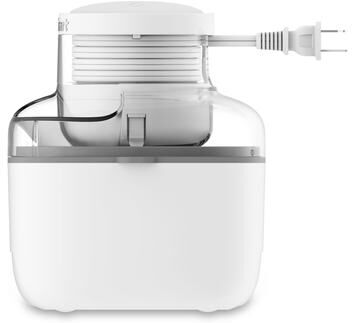
Conair Cuisinart 1 Pint Wonder Ice Cream Maker - 1 PintThe ICE-M10 1 Pint Wonder Ice Cream Maker is compact and designed for maximum storage. The cord wraps around the motor unit, and the stackable lid will keep the counter or cabinet clutter-free.53,99 $*Shipping: 0,00 $Secure redirect to the provider
-
Addison Rugs Machine Washable Indoor/ Outdoor Casual Hoppy Chantille RugEnliven your home with the transitional charm of painterly square swatches, softly brushed to perfection. Offering remarkable versatility, UV stabilization ensures suitability for both indoor and outdoor settings.86,99 $*Shipping: 0,00 $Secure redirect to the provider
-
What is a regulated activity?
A regulated activity is an economic or financial activity that is subject to oversight and regulation by a government authority or regulatory body. These activities are typically considered to be of significant importance to the functioning of the economy or the protection of consumers, and therefore require specific rules and standards to be followed. Examples of regulated activities can include banking, insurance, investment services, and healthcare. Compliance with regulations is necessary to ensure the safety, stability, and integrity of these industries. **
-
How is enzyme activity regulated?
Enzyme activity is regulated through various mechanisms such as allosteric regulation, covalent modification, and competitive inhibition. In allosteric regulation, molecules bind to specific sites on the enzyme, causing a conformational change that either activates or inhibits the enzyme's activity. Covalent modification involves the addition or removal of chemical groups, such as phosphorylation or dephosphorylation, which can alter the enzyme's activity. Competitive inhibition occurs when a molecule competes with the substrate for binding to the enzyme's active site, thereby reducing the enzyme's activity. These regulatory mechanisms allow cells to control enzyme activity in response to changing environmental conditions and metabolic demands. **
-
Should meat consumption be regulated?
Meat consumption should be regulated to some extent in order to address environmental, health, and ethical concerns. The meat industry is a major contributor to greenhouse gas emissions and deforestation, so regulating consumption could help mitigate these impacts. Additionally, excessive meat consumption has been linked to various health issues, so regulation could help promote healthier dietary choices. From an ethical standpoint, regulating meat consumption could also help address animal welfare concerns. However, it's important to balance regulation with individual choice and cultural practices. **
-
How is parking regulated in Florence?
Parking in Florence is regulated through a system of paid parking zones, known as "Zona a Traffico Limitato" (ZTL). These zones are restricted to residents and authorized vehicles only, with limited access for tourists. Visitors can park in designated areas outside the ZTL zones or in paid parking lots. Additionally, there are blue lines painted on the streets indicating paid parking spots, where drivers must purchase a ticket from nearby machines. Failure to comply with parking regulations can result in fines or towing of the vehicle. **
* All prices are inclusive of VAT and, if applicable, plus shipping costs. The offer information is based on the details provided by the respective shop and is updated through automated processes. Real-time updates do not occur, so deviations can occur in individual cases. ** Note: Parts of this content were created by AI.