Buy kodeksdobregopiwa.pl ?
We are moving the project
kodeksdobregopiwa.pl .
Are you interested in purchasing the domain
kodeksdobregopiwa.pl ?
domain@kv-gmbh.de · 0541-91531010
Buy kodeksdobregopiwa.pl ?
How do you calculate probabilities with two probabilities?
To calculate the probability of two independent events occurring, you can use the formula P(A and B) = P(A) * P(B), where P(A) and P(B) are the probabilities of each event occurring. If the events are not independent, you can use the formula P(A and B) = P(A) * P(B|A), where P(B|A) is the probability of event B occurring given that event A has already occurred. If you want to calculate the probability of either event A or event B occurring, you can use the formula P(A or B) = P(A) + P(B) - P(A and B) to account for the overlap between the two events. **
What are probabilities?
Probabilities are numerical measures that quantify the likelihood of a specific event occurring. They range from 0 (indicating impossibility) to 1 (indicating certainty). Probabilities help us make informed decisions by providing a way to assess the likelihood of different outcomes. They are used in various fields such as mathematics, statistics, and science to analyze uncertainty and randomness. **


Similar search terms for Probabilities
Top-Angebote
Products related to Probabilities:
-
Raw Naturals Pale Ale Shower Gel 300mlThis mild and refreshing shower brew takes your shower experience to the next level. The formula transforms into an airy lather and rinses off smoothly, leaving your body and hair thoroughly cleansed, and perfumed to perfection. Key ingredients Mild natural cleansing agents from apple: cleanses deeply. Extracts from hops: caring, calming, and hydrating. Ingredients Aqua, Sodium Lauroyl Methyl Isethionate, Cocamidopropyl Betaine, Glycerin, Sodium Cocoyl Apple Amino Acids, Sodium Chloride, PEG-200 Hydrogenated Glyceryl Palmate, PEG-7 Glyceryl Cocoate, Parfum, Sodium Benzoate, Hydroxypropyl Guar Hydroxypropyltrimonium Chloride, Potassium Sorbate, Citric Acid, Hexylene Glycol, Humulus Lupulus Extract12,99 £*Shipping: 2,95 £Secure redirect to the provider
-
Libbey Craft Brews Nucleated Pint Beer Glasses, 16.75-ounce, Set of 4 - Set of 4Inspired by lovers of a quality cold beer at the end of a long week, the Libbey Craft Brews Nucleated collection is designed to help you get the most out of every sip of your favorite pilsner, ale, stout, IPA, or favorite craft beer.39,52 $*Shipping: 0,00 $Secure redirect to the provider
-
Aeric 50 Pint Dehumidifier - 50 PintThe Energy Star top-rated Aeric 50-pint dehumidifier removes 50 pints of moisture from the air each day, humidistat controls up to 90% humidity, removing dampness and protecting your home from excess moisture.299,99 $*Shipping: 0,00 $Secure redirect to the provider



-
What are birthday probabilities?
Birthday probabilities refer to the likelihood of two or more people sharing the same birthday in a group. This concept is often used in probability and statistics to demonstrate the counterintuitive nature of probability. The birthday paradox, for example, shows that in a group of just 23 people, there is a greater than 50% chance that two people will share the same birthday. This is due to the large number of possible pairings and the relatively small number of days in a year. **
-
What are probabilities in math?
Probabilities in math represent the likelihood of a specific event occurring. They are typically expressed as a number between 0 and 1, where 0 indicates impossibility and 1 indicates certainty. Probabilities can be calculated using various methods, such as counting outcomes, using formulas like the probability mass function or probability density function, or through simulations. Understanding probabilities is essential in various fields, including statistics, finance, and science, as they help in making informed decisions and predictions based on uncertain outcomes. **
-
How do you calculate probabilities?
Probabilities are calculated by dividing the number of favorable outcomes by the total number of possible outcomes. This can be represented as a fraction, decimal, or percentage. In some cases, probabilities can also be calculated using mathematical formulas or statistical methods. It is important to ensure that all possible outcomes are accounted for when calculating probabilities to obtain an accurate result. **
-
How can probabilities be determined?
Probabilities can be determined by analyzing the likelihood of different outcomes occurring based on available information and data. This can involve using mathematical formulas, statistical analysis, and historical data to calculate the probability of a specific event happening. Probabilities can also be determined through experimentation and observation, where repeated trials can help estimate the likelihood of an event occurring. Additionally, probabilities can be influenced by factors such as randomness, uncertainty, and the presence of variables that may affect the outcome. **

What are probabilities in mathematics?
Probabilities in mathematics represent the likelihood of a specific event occurring. They are typically expressed as a number between 0 and 1, where 0 indicates impossibility and 1 indicates certainty. Probabilities can be calculated using various methods such as counting outcomes, using formulas like the probability mass function or probability density function, or through simulations. Understanding probabilities is essential in fields such as statistics, finance, and science to make informed decisions based on the likelihood of different outcomes. **
What does unequal probabilities mean?
Unequal probabilities refer to the situation where different outcomes have different chances of occurring. In other words, the likelihood of one outcome happening is not the same as the likelihood of another outcome happening. This can occur in various contexts, such as in gambling, statistical analysis, or decision-making processes. Understanding and accounting for unequal probabilities is important in making informed decisions and accurately assessing risks. **
Top-Angebote
Products related to Probabilities:
-
Dartington Beer Collection Real Ale TankardEnjoy a perfect pint in this delightful Dartington Lead Crystal Real Ale Tankard. Handmade in England from high quality crystal glass this Tankard has a capacity of 600ml and measures 142mm high. Suitable for hand washing.50,00 £*Shipping: 0,00 £Secure redirect to the provider
-
Raw Naturals Pale Ale Shower Gel 300mlThis mild and refreshing shower brew takes your shower experience to the next level. The formula transforms into an airy lather and rinses off smoothly, leaving your body and hair thoroughly cleansed, and perfumed to perfection. Key ingredients Mild natural cleansing agents from apple: cleanses deeply. Extracts from hops: caring, calming, and hydrating. Ingredients Aqua, Sodium Lauroyl Methyl Isethionate, Cocamidopropyl Betaine, Glycerin, Sodium Cocoyl Apple Amino Acids, Sodium Chloride, PEG-200 Hydrogenated Glyceryl Palmate, PEG-7 Glyceryl Cocoate, Parfum, Sodium Benzoate, Hydroxypropyl Guar Hydroxypropyltrimonium Chloride, Potassium Sorbate, Citric Acid, Hexylene Glycol, Humulus Lupulus Extract12,99 £*Shipping: 2,95 £Secure redirect to the provider
-
Libbey Craft Brews Nucleated Pint Beer Glasses, 16.75-ounce, Set of 4 - Set of 4Inspired by lovers of a quality cold beer at the end of a long week, the Libbey Craft Brews Nucleated collection is designed to help you get the most out of every sip of your favorite pilsner, ale, stout, IPA, or favorite craft beer.39,52 $*Shipping: 0,00 $Secure redirect to the provider
-
How do you calculate probabilities with two probabilities?
To calculate the probability of two independent events occurring, you can use the formula P(A and B) = P(A) * P(B), where P(A) and P(B) are the probabilities of each event occurring. If the events are not independent, you can use the formula P(A and B) = P(A) * P(B|A), where P(B|A) is the probability of event B occurring given that event A has already occurred. If you want to calculate the probability of either event A or event B occurring, you can use the formula P(A or B) = P(A) + P(B) - P(A and B) to account for the overlap between the two events. **
-
What are probabilities?
Probabilities are numerical measures that quantify the likelihood of a specific event occurring. They range from 0 (indicating impossibility) to 1 (indicating certainty). Probabilities help us make informed decisions by providing a way to assess the likelihood of different outcomes. They are used in various fields such as mathematics, statistics, and science to analyze uncertainty and randomness. **
-
What are birthday probabilities?
Birthday probabilities refer to the likelihood of two or more people sharing the same birthday in a group. This concept is often used in probability and statistics to demonstrate the counterintuitive nature of probability. The birthday paradox, for example, shows that in a group of just 23 people, there is a greater than 50% chance that two people will share the same birthday. This is due to the large number of possible pairings and the relatively small number of days in a year. **
-
What are probabilities in math?
Probabilities in math represent the likelihood of a specific event occurring. They are typically expressed as a number between 0 and 1, where 0 indicates impossibility and 1 indicates certainty. Probabilities can be calculated using various methods, such as counting outcomes, using formulas like the probability mass function or probability density function, or through simulations. Understanding probabilities is essential in various fields, including statistics, finance, and science, as they help in making informed decisions and predictions based on uncertain outcomes. **
Similar search terms for Probabilities
-
Aeric 50 Pint Dehumidifier - 50 PintThe Energy Star top-rated Aeric 50-pint dehumidifier removes 50 pints of moisture from the air each day, humidistat controls up to 90% humidity, removing dampness and protecting your home from excess moisture.299,99 $*Shipping: 0,00 $Secure redirect to the provider
-
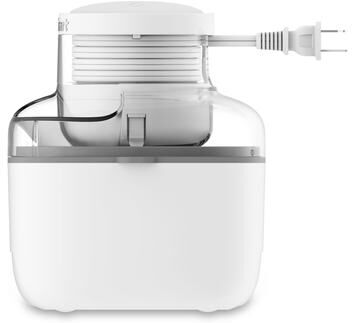
Conair Cuisinart 1 Pint Wonder Ice Cream Maker - 1 PintThe ICE-M10 1 Pint Wonder Ice Cream Maker is compact and designed for maximum storage. The cord wraps around the motor unit, and the stackable lid will keep the counter or cabinet clutter-free.53,99 $*Shipping: 0,00 $Secure redirect to the provider
-
Portmeirion Sara Miller London Chelsea Collection 2 Pint Teapot - 2 PintPortmeirion Sara Miller Chelsea Fine China Teapot, 2 Pint Floral Design with Gold Details - Elegant Afternoon Tea Essential Featuring Colorful Birds on a Tree, Decorative Drinkware Gift - New The Portmeirion Sara Miller Chelsea Teapot is a graceful...103,08 $*Shipping: 0,00 $Secure redirect to the provider
-
How do you calculate probabilities?
Probabilities are calculated by dividing the number of favorable outcomes by the total number of possible outcomes. This can be represented as a fraction, decimal, or percentage. In some cases, probabilities can also be calculated using mathematical formulas or statistical methods. It is important to ensure that all possible outcomes are accounted for when calculating probabilities to obtain an accurate result. **
-
How can probabilities be determined?
Probabilities can be determined by analyzing the likelihood of different outcomes occurring based on available information and data. This can involve using mathematical formulas, statistical analysis, and historical data to calculate the probability of a specific event happening. Probabilities can also be determined through experimentation and observation, where repeated trials can help estimate the likelihood of an event occurring. Additionally, probabilities can be influenced by factors such as randomness, uncertainty, and the presence of variables that may affect the outcome. **
-
What are probabilities in mathematics?
Probabilities in mathematics represent the likelihood of a specific event occurring. They are typically expressed as a number between 0 and 1, where 0 indicates impossibility and 1 indicates certainty. Probabilities can be calculated using various methods such as counting outcomes, using formulas like the probability mass function or probability density function, or through simulations. Understanding probabilities is essential in fields such as statistics, finance, and science to make informed decisions based on the likelihood of different outcomes. **
-
What does unequal probabilities mean?
Unequal probabilities refer to the situation where different outcomes have different chances of occurring. In other words, the likelihood of one outcome happening is not the same as the likelihood of another outcome happening. This can occur in various contexts, such as in gambling, statistical analysis, or decision-making processes. Understanding and accounting for unequal probabilities is important in making informed decisions and accurately assessing risks. **
* All prices are inclusive of VAT and, if applicable, plus shipping costs. The offer information is based on the details provided by the respective shop and is updated through automated processes. Real-time updates do not occur, so deviations can occur in individual cases. ** Note: Parts of this content were created by AI.