Buy kodeksdobregopiwa.pl ?
We are moving the project
kodeksdobregopiwa.pl .
Are you interested in purchasing the domain
kodeksdobregopiwa.pl ?
domain@kv-gmbh.de · 0541-91531010
Buy kodeksdobregopiwa.pl ?
What are reducing agents and oxidizing agents?
Reducing agents are substances that donate electrons to another substance, causing it to be reduced. This means that the reducing agent itself is oxidized in the process. On the other hand, oxidizing agents are substances that accept electrons from another substance, causing it to be oxidized. This means that the oxidizing agent itself is reduced in the process. Both reducing agents and oxidizing agents play important roles in redox reactions, where one substance loses electrons (oxidation) and another gains electrons (reduction). **
Does oxidizing mean the same as rusting?
Oxidizing and rusting are related processes, but they are not exactly the same. Oxidizing refers to a chemical reaction in which a substance loses electrons, while rusting specifically refers to the oxidation of iron and iron alloys. Rusting is a type of oxidation that occurs when iron or steel reacts with oxygen and moisture in the air to form iron oxide. So, while rusting is a form of oxidation, not all oxidation processes result in rusting. **


Similar search terms for Oxidizing
Top-Angebote
Products related to Oxidizing:
-
Dartington Beer Collection Real Ale TankardEnjoy a perfect pint in this delightful Dartington Lead Crystal Real Ale Tankard. Handmade in England from high quality crystal glass this Tankard has a capacity of 600ml and measures 142mm high. Suitable for hand washing.50,00 £*Shipping: 0,00 £Secure redirect to the provider
-
Raw Naturals Pale Ale Shower Gel 300mlThis mild and refreshing shower brew takes your shower experience to the next level. The formula transforms into an airy lather and rinses off smoothly, leaving your body and hair thoroughly cleansed, and perfumed to perfection. Key ingredients Mild natural cleansing agents from apple: cleanses deeply. Extracts from hops: caring, calming, and hydrating. Ingredients Aqua, Sodium Lauroyl Methyl Isethionate, Cocamidopropyl Betaine, Glycerin, Sodium Cocoyl Apple Amino Acids, Sodium Chloride, PEG-200 Hydrogenated Glyceryl Palmate, PEG-7 Glyceryl Cocoate, Parfum, Sodium Benzoate, Hydroxypropyl Guar Hydroxypropyltrimonium Chloride, Potassium Sorbate, Citric Acid, Hexylene Glycol, Humulus Lupulus Extract12,99 £*Shipping: 2,95 £Secure redirect to the provider
-
Libbey Craft Brews Nucleated Pint Beer Glasses, 16.75-ounce, Set of 4 - Set of 4Inspired by lovers of a quality cold beer at the end of a long week, the Libbey Craft Brews Nucleated collection is designed to help you get the most out of every sip of your favorite pilsner, ale, stout, IPA, or favorite craft beer.46,49 $*Shipping: 0,00 $Secure redirect to the provider
-
Aeric 50 Pint Dehumidifier - 50 PintThe Energy Star top-rated Aeric 50-pint dehumidifier removes 50 pints of moisture from the air each day, humidistat controls up to 90% humidity, removing dampness and protecting your home from excess moisture.299,99 $*Shipping: 0,00 $Secure redirect to the provider


-
What substance is the strongest oxidizing agent?
The strongest oxidizing agent is fluorine (F2). Fluorine has the highest electronegativity of all the elements, which means it has a strong attraction for electrons. This makes it highly reactive and able to readily accept electrons from other substances, causing them to be oxidized. As a result, fluorine is a powerful oxidizing agent and can react with a wide variety of other elements and compounds. **
-
When is hydrogen sulfide an oxidizing agent?
Hydrogen sulfide can act as an oxidizing agent when it reacts with certain metals, such as iron, copper, or silver. In these reactions, hydrogen sulfide is oxidized to form sulfur or sulfur dioxide, while the metal is reduced. This can occur in various chemical and biological processes, such as in the corrosion of metal pipes or in certain biological pathways where hydrogen sulfide is involved. Overall, hydrogen sulfide's ability to act as an oxidizing agent depends on the specific reaction and the substances involved. **
-
Why is oxygen a strong oxidizing agent?
Oxygen is a strong oxidizing agent because it has a high electronegativity, meaning it has a strong attraction for electrons. This allows it to readily accept electrons from other substances, causing them to be oxidized. Additionally, oxygen forms stable and energetically favorable compounds when it gains electrons, such as in the formation of water. This combination of high electronegativity and the stability of its reduced form makes oxygen a powerful oxidizing agent. **
-
Why do some acids act as oxidizing agents?
Some acids act as oxidizing agents because they have the ability to donate oxygen atoms or accept electrons from other substances. This results in the oxidation of the other substance, while the acid itself is reduced. Acids with a high oxidation state, such as nitric acid or sulfuric acid, are particularly good oxidizing agents due to their ability to readily transfer oxygen atoms or accept electrons. This property makes them useful in various chemical reactions where oxidation is required. **

What is the difference between rusting and oxidizing?
Rusting specifically refers to the corrosion of iron and its alloys, typically due to exposure to moisture and oxygen. Oxidizing, on the other hand, is a more general term that refers to the process of a substance losing electrons and increasing its oxidation state. While rusting is a specific type of oxidation that occurs with iron, oxidizing can occur with a wide range of materials and is not limited to just metals. **
What is the composition of the oxidizing atmosphere?
The oxidizing atmosphere is composed of gases such as oxygen (O2), ozone (O3), and nitrogen dioxide (NO2) that have the ability to accept electrons from other substances, causing oxidation reactions. These gases are present in the Earth's atmosphere and are responsible for processes such as combustion, rusting, and the breakdown of organic matter. The presence of these oxidizing gases is essential for many natural processes, but can also contribute to air pollution and environmental damage when present in high concentrations. **
Top-Angebote
Products related to Oxidizing:
-
Cotril Hydra Hydrating and Anti-Oxidizing Shampoo 300mLA shampoo for dry or dehydrated skin. Revitalize dehydrated hair with Hydra Hydrating Shampoo. This nourishing, anti-oxidizing formula restores moisture, protects against free radicals, and leaves hair shiny, soft, and healthy. Deeply hydrates and nourishes dry, dehydrated hair. Anti-oxidizing action fights free radicals for healthier hair.15,11 £*Shipping: 7,11 £Secure redirect to the provider
-
Dartington Beer Collection Real Ale TankardEnjoy a perfect pint in this delightful Dartington Lead Crystal Real Ale Tankard. Handmade in England from high quality crystal glass this Tankard has a capacity of 600ml and measures 142mm high. Suitable for hand washing.50,00 £*Shipping: 0,00 £Secure redirect to the provider
-
Raw Naturals Pale Ale Shower Gel 300mlThis mild and refreshing shower brew takes your shower experience to the next level. The formula transforms into an airy lather and rinses off smoothly, leaving your body and hair thoroughly cleansed, and perfumed to perfection. Key ingredients Mild natural cleansing agents from apple: cleanses deeply. Extracts from hops: caring, calming, and hydrating. Ingredients Aqua, Sodium Lauroyl Methyl Isethionate, Cocamidopropyl Betaine, Glycerin, Sodium Cocoyl Apple Amino Acids, Sodium Chloride, PEG-200 Hydrogenated Glyceryl Palmate, PEG-7 Glyceryl Cocoate, Parfum, Sodium Benzoate, Hydroxypropyl Guar Hydroxypropyltrimonium Chloride, Potassium Sorbate, Citric Acid, Hexylene Glycol, Humulus Lupulus Extract12,99 £*Shipping: 2,95 £Secure redirect to the provider
-
What are reducing agents and oxidizing agents?
Reducing agents are substances that donate electrons to another substance, causing it to be reduced. This means that the reducing agent itself is oxidized in the process. On the other hand, oxidizing agents are substances that accept electrons from another substance, causing it to be oxidized. This means that the oxidizing agent itself is reduced in the process. Both reducing agents and oxidizing agents play important roles in redox reactions, where one substance loses electrons (oxidation) and another gains electrons (reduction). **
-
Does oxidizing mean the same as rusting?
Oxidizing and rusting are related processes, but they are not exactly the same. Oxidizing refers to a chemical reaction in which a substance loses electrons, while rusting specifically refers to the oxidation of iron and iron alloys. Rusting is a type of oxidation that occurs when iron or steel reacts with oxygen and moisture in the air to form iron oxide. So, while rusting is a form of oxidation, not all oxidation processes result in rusting. **
-
What substance is the strongest oxidizing agent?
The strongest oxidizing agent is fluorine (F2). Fluorine has the highest electronegativity of all the elements, which means it has a strong attraction for electrons. This makes it highly reactive and able to readily accept electrons from other substances, causing them to be oxidized. As a result, fluorine is a powerful oxidizing agent and can react with a wide variety of other elements and compounds. **
-
When is hydrogen sulfide an oxidizing agent?
Hydrogen sulfide can act as an oxidizing agent when it reacts with certain metals, such as iron, copper, or silver. In these reactions, hydrogen sulfide is oxidized to form sulfur or sulfur dioxide, while the metal is reduced. This can occur in various chemical and biological processes, such as in the corrosion of metal pipes or in certain biological pathways where hydrogen sulfide is involved. Overall, hydrogen sulfide's ability to act as an oxidizing agent depends on the specific reaction and the substances involved. **
Similar search terms for Oxidizing
-
Libbey Craft Brews Nucleated Pint Beer Glasses, 16.75-ounce, Set of 4 - Set of 4Inspired by lovers of a quality cold beer at the end of a long week, the Libbey Craft Brews Nucleated collection is designed to help you get the most out of every sip of your favorite pilsner, ale, stout, IPA, or favorite craft beer.46,49 $*Shipping: 0,00 $Secure redirect to the provider
-
Aeric 50 Pint Dehumidifier - 50 PintThe Energy Star top-rated Aeric 50-pint dehumidifier removes 50 pints of moisture from the air each day, humidistat controls up to 90% humidity, removing dampness and protecting your home from excess moisture.299,99 $*Shipping: 0,00 $Secure redirect to the provider
-
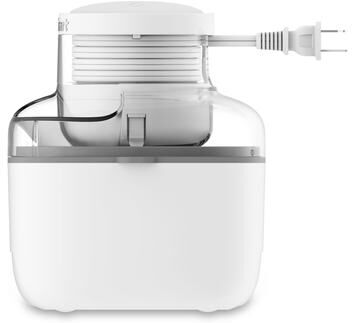
Conair Cuisinart 1 Pint Wonder Ice Cream Maker - 1 PintThe ICE-M10 1 Pint Wonder Ice Cream Maker is compact and designed for maximum storage. The cord wraps around the motor unit, and the stackable lid will keep the counter or cabinet clutter-free.53,99 $*Shipping: 0,00 $Secure redirect to the provider
-
Why is oxygen a strong oxidizing agent?
Oxygen is a strong oxidizing agent because it has a high electronegativity, meaning it has a strong attraction for electrons. This allows it to readily accept electrons from other substances, causing them to be oxidized. Additionally, oxygen forms stable and energetically favorable compounds when it gains electrons, such as in the formation of water. This combination of high electronegativity and the stability of its reduced form makes oxygen a powerful oxidizing agent. **
-
Why do some acids act as oxidizing agents?
Some acids act as oxidizing agents because they have the ability to donate oxygen atoms or accept electrons from other substances. This results in the oxidation of the other substance, while the acid itself is reduced. Acids with a high oxidation state, such as nitric acid or sulfuric acid, are particularly good oxidizing agents due to their ability to readily transfer oxygen atoms or accept electrons. This property makes them useful in various chemical reactions where oxidation is required. **
-
What is the difference between rusting and oxidizing?
Rusting specifically refers to the corrosion of iron and its alloys, typically due to exposure to moisture and oxygen. Oxidizing, on the other hand, is a more general term that refers to the process of a substance losing electrons and increasing its oxidation state. While rusting is a specific type of oxidation that occurs with iron, oxidizing can occur with a wide range of materials and is not limited to just metals. **
-
What is the composition of the oxidizing atmosphere?
The oxidizing atmosphere is composed of gases such as oxygen (O2), ozone (O3), and nitrogen dioxide (NO2) that have the ability to accept electrons from other substances, causing oxidation reactions. These gases are present in the Earth's atmosphere and are responsible for processes such as combustion, rusting, and the breakdown of organic matter. The presence of these oxidizing gases is essential for many natural processes, but can also contribute to air pollution and environmental damage when present in high concentrations. **
* All prices are inclusive of VAT and, if applicable, plus shipping costs. The offer information is based on the details provided by the respective shop and is updated through automated processes. Real-time updates do not occur, so deviations can occur in individual cases. ** Note: Parts of this content were created by AI.