Buy kodeksdobregopiwa.pl ?
We are moving the project
kodeksdobregopiwa.pl .
Are you interested in purchasing the domain
kodeksdobregopiwa.pl ?
domain@kv-gmbh.de · 0541-91531010
Buy kodeksdobregopiwa.pl ?
What are the advantages and disadvantages of waste incineration in an incineration plant?
Waste incineration in an incineration plant has several advantages, such as reducing the volume of waste, generating energy through the combustion process, and minimizing the need for landfill space. Additionally, it can help in the disposal of hazardous waste and reduce greenhouse gas emissions compared to landfilling. However, there are also disadvantages to consider, including air pollution from the release of harmful gases and particulate matter, potential health risks to nearby communities, and the need for strict monitoring and control of emissions to prevent environmental harm. Additionally, there are concerns about the potential release of toxic substances from the incineration process. **
Why is waste incineration bad?
Waste incineration is considered bad for several reasons. Firstly, it releases harmful pollutants and greenhouse gases into the atmosphere, contributing to air pollution and climate change. Secondly, incineration can also generate toxic ash and residue that may contaminate soil and water sources. Additionally, burning waste can discourage recycling and waste reduction efforts, as it provides a convenient disposal method that does not prioritize sustainability. **


Similar search terms for Incineration
Top-Angebote
Products related to Incineration:
-
Raw Naturals Pale Ale Shower Gel 300mlThis mild and refreshing shower brew takes your shower experience to the next level. The formula transforms into an airy lather and rinses off smoothly, leaving your body and hair thoroughly cleansed, and perfumed to perfection. Key ingredients Mild natural cleansing agents from apple: cleanses deeply. Extracts from hops: caring, calming, and hydrating. Ingredients Aqua, Sodium Lauroyl Methyl Isethionate, Cocamidopropyl Betaine, Glycerin, Sodium Cocoyl Apple Amino Acids, Sodium Chloride, PEG-200 Hydrogenated Glyceryl Palmate, PEG-7 Glyceryl Cocoate, Parfum, Sodium Benzoate, Hydroxypropyl Guar Hydroxypropyltrimonium Chloride, Potassium Sorbate, Citric Acid, Hexylene Glycol, Humulus Lupulus Extract12,99 £*Shipping: 2,95 £Secure redirect to the provider
-
Libbey Craft Brews Nucleated Pint Beer Glasses, 16.75-ounce, Set of 4 - Set of 4Inspired by lovers of a quality cold beer at the end of a long week, the Libbey Craft Brews Nucleated collection is designed to help you get the most out of every sip of your favorite pilsner, ale, stout, IPA, or favorite craft beer.39,52 $*Shipping: 0,00 $Secure redirect to the provider
-
Aeric 50 Pint Dehumidifier - 50 PintThe Energy Star top-rated Aeric 50-pint dehumidifier removes 50 pints of moisture from the air each day, humidistat controls up to 90% humidity, removing dampness and protecting your home from excess moisture.299,99 $*Shipping: 0,00 $Secure redirect to the provider


-
What are the advantages and disadvantages of waste incineration in a waste incineration plant?
Waste incineration in a waste incineration plant has several advantages, including reducing the volume of waste, generating energy through the combustion process, and minimizing the need for landfill space. Additionally, it can help in the safe disposal of hazardous waste and reduce greenhouse gas emissions compared to landfilling. However, there are also disadvantages to consider, such as air pollution from the release of harmful gases and particulate matter, potential health risks to nearby communities, and the need for strict monitoring and control of emissions to prevent environmental harm. Additionally, there are concerns about the potential release of toxic ash residue that requires proper disposal. **
-
Will Habeck declare waste incineration as green?
It is unlikely that Habeck will declare waste incineration as green. Waste incineration is a controversial topic due to its environmental and health impacts, including air pollution and the release of greenhouse gases. Habeck, as a prominent figure in environmental policy, is likely to prioritize more sustainable and environmentally friendly waste management solutions over waste incineration. **
-
Is residual waste searched for recyclables before incineration?
Yes, residual waste is typically searched for recyclables before incineration. This process is known as waste sorting or waste separation, where materials that can be recycled are removed from the waste stream and sent for recycling. This helps to reduce the amount of waste that is incinerated and promotes a more sustainable approach to waste management. **
-
What happens to the ash from waste incineration?
After waste incineration, the remaining ash is collected and disposed of in a landfill or used in various ways. Some ash may be treated and recycled for use in construction materials like concrete or asphalt. In some cases, the ash may be further processed to recover metals or other valuable materials. Overall, the ash from waste incineration is carefully managed to minimize environmental impact and maximize resource recovery. **

How much electricity do waste incineration plants produce?
Waste incineration plants can produce a significant amount of electricity. The amount of electricity generated depends on various factors such as the size of the plant, the type and amount of waste being incinerated, and the efficiency of the technology used. On average, a waste incineration plant can produce enough electricity to power thousands of homes. This electricity generation helps to offset the energy used in the incineration process and can contribute to the overall energy supply. **
What is done with the ash after the waste incineration?
After waste incineration, the ash is typically collected and disposed of in a landfill. However, some ash may be recycled and used in construction materials such as concrete or asphalt. In some cases, the ash may also be treated to remove any hazardous materials before disposal. Overall, the handling and disposal of incineration ash is carefully regulated to ensure that it does not pose a risk to human health or the environment. **
Top-Angebote
Products related to Incineration:
-
Dartington Beer Collection Real Ale TankardEnjoy a perfect pint in this delightful Dartington Lead Crystal Real Ale Tankard. Handmade in England from high quality crystal glass this Tankard has a capacity of 600ml and measures 142mm high. Suitable for hand washing.50,00 £*Shipping: 0,00 £Secure redirect to the provider
-
Raw Naturals Pale Ale Shower Gel 300mlThis mild and refreshing shower brew takes your shower experience to the next level. The formula transforms into an airy lather and rinses off smoothly, leaving your body and hair thoroughly cleansed, and perfumed to perfection. Key ingredients Mild natural cleansing agents from apple: cleanses deeply. Extracts from hops: caring, calming, and hydrating. Ingredients Aqua, Sodium Lauroyl Methyl Isethionate, Cocamidopropyl Betaine, Glycerin, Sodium Cocoyl Apple Amino Acids, Sodium Chloride, PEG-200 Hydrogenated Glyceryl Palmate, PEG-7 Glyceryl Cocoate, Parfum, Sodium Benzoate, Hydroxypropyl Guar Hydroxypropyltrimonium Chloride, Potassium Sorbate, Citric Acid, Hexylene Glycol, Humulus Lupulus Extract12,99 £*Shipping: 2,95 £Secure redirect to the provider
-
Libbey Craft Brews Nucleated Pint Beer Glasses, 16.75-ounce, Set of 4 - Set of 4Inspired by lovers of a quality cold beer at the end of a long week, the Libbey Craft Brews Nucleated collection is designed to help you get the most out of every sip of your favorite pilsner, ale, stout, IPA, or favorite craft beer.39,52 $*Shipping: 0,00 $Secure redirect to the provider
-
What are the advantages and disadvantages of waste incineration in an incineration plant?
Waste incineration in an incineration plant has several advantages, such as reducing the volume of waste, generating energy through the combustion process, and minimizing the need for landfill space. Additionally, it can help in the disposal of hazardous waste and reduce greenhouse gas emissions compared to landfilling. However, there are also disadvantages to consider, including air pollution from the release of harmful gases and particulate matter, potential health risks to nearby communities, and the need for strict monitoring and control of emissions to prevent environmental harm. Additionally, there are concerns about the potential release of toxic substances from the incineration process. **
-
Why is waste incineration bad?
Waste incineration is considered bad for several reasons. Firstly, it releases harmful pollutants and greenhouse gases into the atmosphere, contributing to air pollution and climate change. Secondly, incineration can also generate toxic ash and residue that may contaminate soil and water sources. Additionally, burning waste can discourage recycling and waste reduction efforts, as it provides a convenient disposal method that does not prioritize sustainability. **
-
What are the advantages and disadvantages of waste incineration in a waste incineration plant?
Waste incineration in a waste incineration plant has several advantages, including reducing the volume of waste, generating energy through the combustion process, and minimizing the need for landfill space. Additionally, it can help in the safe disposal of hazardous waste and reduce greenhouse gas emissions compared to landfilling. However, there are also disadvantages to consider, such as air pollution from the release of harmful gases and particulate matter, potential health risks to nearby communities, and the need for strict monitoring and control of emissions to prevent environmental harm. Additionally, there are concerns about the potential release of toxic ash residue that requires proper disposal. **
-
Will Habeck declare waste incineration as green?
It is unlikely that Habeck will declare waste incineration as green. Waste incineration is a controversial topic due to its environmental and health impacts, including air pollution and the release of greenhouse gases. Habeck, as a prominent figure in environmental policy, is likely to prioritize more sustainable and environmentally friendly waste management solutions over waste incineration. **
Similar search terms for Incineration
-
Aeric 50 Pint Dehumidifier - 50 PintThe Energy Star top-rated Aeric 50-pint dehumidifier removes 50 pints of moisture from the air each day, humidistat controls up to 90% humidity, removing dampness and protecting your home from excess moisture.299,99 $*Shipping: 0,00 $Secure redirect to the provider
-
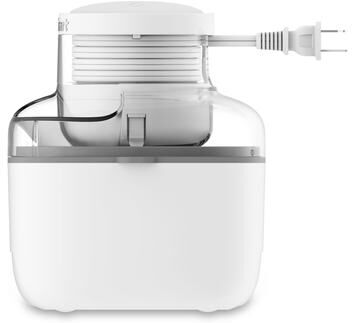
Conair Cuisinart 1 Pint Wonder Ice Cream Maker - 1 PintThe ICE-M10 1 Pint Wonder Ice Cream Maker is compact and designed for maximum storage. The cord wraps around the motor unit, and the stackable lid will keep the counter or cabinet clutter-free.53,99 $*Shipping: 0,00 $Secure redirect to the provider
-
Addison Rugs Machine Washable Indoor/ Outdoor Casual Hoppy Chantille RugEnliven your home with the transitional charm of painterly square swatches, softly brushed to perfection. Offering remarkable versatility, UV stabilization ensures suitability for both indoor and outdoor settings.33,49 $*Shipping: 0,00 $Secure redirect to the provider
-
Is residual waste searched for recyclables before incineration?
Yes, residual waste is typically searched for recyclables before incineration. This process is known as waste sorting or waste separation, where materials that can be recycled are removed from the waste stream and sent for recycling. This helps to reduce the amount of waste that is incinerated and promotes a more sustainable approach to waste management. **
-
What happens to the ash from waste incineration?
After waste incineration, the remaining ash is collected and disposed of in a landfill or used in various ways. Some ash may be treated and recycled for use in construction materials like concrete or asphalt. In some cases, the ash may be further processed to recover metals or other valuable materials. Overall, the ash from waste incineration is carefully managed to minimize environmental impact and maximize resource recovery. **
-
How much electricity do waste incineration plants produce?
Waste incineration plants can produce a significant amount of electricity. The amount of electricity generated depends on various factors such as the size of the plant, the type and amount of waste being incinerated, and the efficiency of the technology used. On average, a waste incineration plant can produce enough electricity to power thousands of homes. This electricity generation helps to offset the energy used in the incineration process and can contribute to the overall energy supply. **
-
What is done with the ash after the waste incineration?
After waste incineration, the ash is typically collected and disposed of in a landfill. However, some ash may be recycled and used in construction materials such as concrete or asphalt. In some cases, the ash may also be treated to remove any hazardous materials before disposal. Overall, the handling and disposal of incineration ash is carefully regulated to ensure that it does not pose a risk to human health or the environment. **
* All prices are inclusive of VAT and, if applicable, plus shipping costs. The offer information is based on the details provided by the respective shop and is updated through automated processes. Real-time updates do not occur, so deviations can occur in individual cases. ** Note: Parts of this content were created by AI.