Buy kodeksdobregopiwa.pl ?
We are moving the project
kodeksdobregopiwa.pl .
Are you interested in purchasing the domain
kodeksdobregopiwa.pl ?
domain@kv-gmbh.de · 0541-91531010
Buy kodeksdobregopiwa.pl ?
What is the difference between differential centrifugation and density gradient centrifugation?
Differential centrifugation separates particles based on their size and density by subjecting a sample to multiple rounds of centrifugation at increasing speeds. This method results in the formation of a pellet containing the heaviest particles at each step. Density gradient centrifugation, on the other hand, separates particles based on their buoyant density by layering a sample on top of a density gradient medium and subjecting it to centrifugation. This method results in the formation of distinct bands or layers of particles based on their buoyant density within the gradient medium. Overall, differential centrifugation separates particles based on their size and density, while density gradient centrifugation separates particles based on their buoyant density within a gradient medium. **
How does differential centrifugation work?
Differential centrifugation is a method used to separate different components of a cell or tissue sample based on their size, shape, and density. The sample is first homogenized to break open the cells and release their contents. The homogenate is then subjected to a series of centrifugation steps at increasing speeds, which causes the larger and denser components to sediment out first, followed by the smaller and lighter components. This process results in the separation of organelles and other cellular components into different fractions, which can then be further analyzed or used for various experiments. **


Similar search terms for Centrifugation
Top-Angebote
Products related to Centrifugation:
-
Raw Naturals Pale Ale Shower Gel 300mlThis mild and refreshing shower brew takes your shower experience to the next level. The formula transforms into an airy lather and rinses off smoothly, leaving your body and hair thoroughly cleansed, and perfumed to perfection. Key ingredients Mild natural cleansing agents from apple: cleanses deeply. Extracts from hops: caring, calming, and hydrating. Ingredients Aqua, Sodium Lauroyl Methyl Isethionate, Cocamidopropyl Betaine, Glycerin, Sodium Cocoyl Apple Amino Acids, Sodium Chloride, PEG-200 Hydrogenated Glyceryl Palmate, PEG-7 Glyceryl Cocoate, Parfum, Sodium Benzoate, Hydroxypropyl Guar Hydroxypropyltrimonium Chloride, Potassium Sorbate, Citric Acid, Hexylene Glycol, Humulus Lupulus Extract12,99 £*Shipping: 2,95 £Secure redirect to the provider
-
Libbey Craft Brews Nucleated Pint Beer Glasses, 16.75-ounce, Set of 4 - Set of 4Inspired by lovers of a quality cold beer at the end of a long week, the Libbey Craft Brews Nucleated collection is designed to help you get the most out of every sip of your favorite pilsner, ale, stout, IPA, or favorite craft beer.39,52 $*Shipping: 0,00 $Secure redirect to the provider
-
Aeric 50 Pint Dehumidifier - 50 PintThe Energy Star top-rated Aeric 50-pint dehumidifier removes 50 pints of moisture from the air each day, humidistat controls up to 90% humidity, removing dampness and protecting your home from excess moisture.299,99 $*Shipping: 0,00 $Secure redirect to the provider


-
What is equilibrium density gradient centrifugation?
Equilibrium density gradient centrifugation is a technique used to separate particles or molecules based on their density. In this method, a sample is layered on top of a density gradient medium, such as sucrose or cesium chloride, and then centrifuged at high speeds. As the centrifuge spins, the particles in the sample move through the density gradient until they reach a point where their density matches that of the surrounding medium, resulting in a banding pattern. This allows for the separation and purification of different components based on their density. **
-
What is a simple experiment about centrifugation?
A simple experiment about centrifugation can involve separating a mixture of water and sand. First, mix the water and sand in a test tube. Then, place the test tube in a centrifuge and spin it at a high speed. The centrifugal force will cause the sand particles to settle at the bottom of the test tube, while the water will remain on top. This demonstrates how centrifugation can be used to separate substances of different densities. **
-
How does the separation process of centrifugation work?
Centrifugation works by using centrifugal force to separate substances of different densities in a mixture. When the mixture is spun at high speeds in a centrifuge, the denser components move towards the bottom of the centrifuge tube, while the lighter components move towards the top. This allows for the separation of the different components based on their density. After the spinning is complete, the separated components can be easily collected from their respective positions in the tube. **
-
What is a simple experiment on the topic of centrifugation?
A simple experiment on centrifugation can be done using a mixture of water and sand in a test tube. By spinning the test tube in a centrifuge, the heavier sand particles will settle at the bottom due to centrifugal force, while the lighter water will remain on top. This demonstrates how centrifugation can be used to separate mixtures based on their density. Students can then observe and analyze the separated components to understand the principle of centrifugation. **

Can liquid metals be separated from each other by centrifugation?
Yes, liquid metals can be separated from each other by centrifugation. Centrifugation works by applying centrifugal force to a mixture, causing the components to separate based on their density. Since different metals have different densities, they can be separated from each other using centrifugation. This process is commonly used in metallurgy and metal refining to separate different metals from each other. **
Can someone tell me the steps of cell fractionation by density gradient centrifugation with explanation?
Cell fractionation by density gradient centrifugation involves several steps: 1. Homogenization: The first step is to break open the cells and release their contents. This is typically done using a homogenizer or sonicator to disrupt the cell membranes. 2. Centrifugation: The homogenized cell suspension is then centrifuged at a low speed to remove large debris and unbroken cells. This step separates the homogenate into different fractions based on size and density. 3. Density gradient formation: A density gradient solution, such as sucrose or cesium chloride, is prepared and layered in a centrifuge tube. The gradient is formed by layering solutions of increasing density from the bottom to the top of the tube. 4. Centrifugation: The cell homogenate is then layered on top of the density gradient and centrifuged at high speeds. During centrifugation, the different cellular components separate based on their density and form distinct bands within the gradient. **
Top-Angebote
Products related to Centrifugation:
-
Dartington Beer Collection Real Ale TankardEnjoy a perfect pint in this delightful Dartington Lead Crystal Real Ale Tankard. Handmade in England from high quality crystal glass this Tankard has a capacity of 600ml and measures 142mm high. Suitable for hand washing.50,00 £*Shipping: 0,00 £Secure redirect to the provider
-
Raw Naturals Pale Ale Shower Gel 300mlThis mild and refreshing shower brew takes your shower experience to the next level. The formula transforms into an airy lather and rinses off smoothly, leaving your body and hair thoroughly cleansed, and perfumed to perfection. Key ingredients Mild natural cleansing agents from apple: cleanses deeply. Extracts from hops: caring, calming, and hydrating. Ingredients Aqua, Sodium Lauroyl Methyl Isethionate, Cocamidopropyl Betaine, Glycerin, Sodium Cocoyl Apple Amino Acids, Sodium Chloride, PEG-200 Hydrogenated Glyceryl Palmate, PEG-7 Glyceryl Cocoate, Parfum, Sodium Benzoate, Hydroxypropyl Guar Hydroxypropyltrimonium Chloride, Potassium Sorbate, Citric Acid, Hexylene Glycol, Humulus Lupulus Extract12,99 £*Shipping: 2,95 £Secure redirect to the provider
-
Libbey Craft Brews Nucleated Pint Beer Glasses, 16.75-ounce, Set of 4 - Set of 4Inspired by lovers of a quality cold beer at the end of a long week, the Libbey Craft Brews Nucleated collection is designed to help you get the most out of every sip of your favorite pilsner, ale, stout, IPA, or favorite craft beer.39,52 $*Shipping: 0,00 $Secure redirect to the provider
-
What is the difference between differential centrifugation and density gradient centrifugation?
Differential centrifugation separates particles based on their size and density by subjecting a sample to multiple rounds of centrifugation at increasing speeds. This method results in the formation of a pellet containing the heaviest particles at each step. Density gradient centrifugation, on the other hand, separates particles based on their buoyant density by layering a sample on top of a density gradient medium and subjecting it to centrifugation. This method results in the formation of distinct bands or layers of particles based on their buoyant density within the gradient medium. Overall, differential centrifugation separates particles based on their size and density, while density gradient centrifugation separates particles based on their buoyant density within a gradient medium. **
-
How does differential centrifugation work?
Differential centrifugation is a method used to separate different components of a cell or tissue sample based on their size, shape, and density. The sample is first homogenized to break open the cells and release their contents. The homogenate is then subjected to a series of centrifugation steps at increasing speeds, which causes the larger and denser components to sediment out first, followed by the smaller and lighter components. This process results in the separation of organelles and other cellular components into different fractions, which can then be further analyzed or used for various experiments. **
-
What is equilibrium density gradient centrifugation?
Equilibrium density gradient centrifugation is a technique used to separate particles or molecules based on their density. In this method, a sample is layered on top of a density gradient medium, such as sucrose or cesium chloride, and then centrifuged at high speeds. As the centrifuge spins, the particles in the sample move through the density gradient until they reach a point where their density matches that of the surrounding medium, resulting in a banding pattern. This allows for the separation and purification of different components based on their density. **
-
What is a simple experiment about centrifugation?
A simple experiment about centrifugation can involve separating a mixture of water and sand. First, mix the water and sand in a test tube. Then, place the test tube in a centrifuge and spin it at a high speed. The centrifugal force will cause the sand particles to settle at the bottom of the test tube, while the water will remain on top. This demonstrates how centrifugation can be used to separate substances of different densities. **
Similar search terms for Centrifugation
-
Aeric 50 Pint Dehumidifier - 50 PintThe Energy Star top-rated Aeric 50-pint dehumidifier removes 50 pints of moisture from the air each day, humidistat controls up to 90% humidity, removing dampness and protecting your home from excess moisture.299,99 $*Shipping: 0,00 $Secure redirect to the provider
-
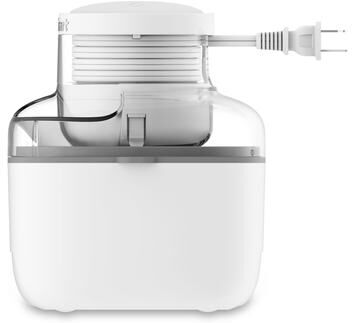
Conair Cuisinart 1 Pint Wonder Ice Cream Maker - 1 PintThe ICE-M10 1 Pint Wonder Ice Cream Maker is compact and designed for maximum storage. The cord wraps around the motor unit, and the stackable lid will keep the counter or cabinet clutter-free.53,99 $*Shipping: 0,00 $Secure redirect to the provider
-
Addison Rugs Machine Washable Indoor/ Outdoor Casual Hoppy Chantille RugEnliven your home with the transitional charm of painterly square swatches, softly brushed to perfection. Offering remarkable versatility, UV stabilization ensures suitability for both indoor and outdoor settings.91,49 $*Shipping: 0,00 $Secure redirect to the provider
-
How does the separation process of centrifugation work?
Centrifugation works by using centrifugal force to separate substances of different densities in a mixture. When the mixture is spun at high speeds in a centrifuge, the denser components move towards the bottom of the centrifuge tube, while the lighter components move towards the top. This allows for the separation of the different components based on their density. After the spinning is complete, the separated components can be easily collected from their respective positions in the tube. **
-
What is a simple experiment on the topic of centrifugation?
A simple experiment on centrifugation can be done using a mixture of water and sand in a test tube. By spinning the test tube in a centrifuge, the heavier sand particles will settle at the bottom due to centrifugal force, while the lighter water will remain on top. This demonstrates how centrifugation can be used to separate mixtures based on their density. Students can then observe and analyze the separated components to understand the principle of centrifugation. **
-
Can liquid metals be separated from each other by centrifugation?
Yes, liquid metals can be separated from each other by centrifugation. Centrifugation works by applying centrifugal force to a mixture, causing the components to separate based on their density. Since different metals have different densities, they can be separated from each other using centrifugation. This process is commonly used in metallurgy and metal refining to separate different metals from each other. **
-
Can someone tell me the steps of cell fractionation by density gradient centrifugation with explanation?
Cell fractionation by density gradient centrifugation involves several steps: 1. Homogenization: The first step is to break open the cells and release their contents. This is typically done using a homogenizer or sonicator to disrupt the cell membranes. 2. Centrifugation: The homogenized cell suspension is then centrifuged at a low speed to remove large debris and unbroken cells. This step separates the homogenate into different fractions based on size and density. 3. Density gradient formation: A density gradient solution, such as sucrose or cesium chloride, is prepared and layered in a centrifuge tube. The gradient is formed by layering solutions of increasing density from the bottom to the top of the tube. 4. Centrifugation: The cell homogenate is then layered on top of the density gradient and centrifuged at high speeds. During centrifugation, the different cellular components separate based on their density and form distinct bands within the gradient. **
* All prices are inclusive of VAT and, if applicable, plus shipping costs. The offer information is based on the details provided by the respective shop and is updated through automated processes. Real-time updates do not occur, so deviations can occur in individual cases. ** Note: Parts of this content were created by AI.