Buy kodeksdobregopiwa.pl ?
We are moving the project
kodeksdobregopiwa.pl .
Are you interested in purchasing the domain
kodeksdobregopiwa.pl ?
domain@kv-gmbh.de · 0541-91531010
Buy kodeksdobregopiwa.pl ?
What is the difference between labor camps, extermination camps, and concentration camps?
Labor camps were used to exploit prisoners for forced labor, often under harsh conditions, with the goal of benefiting the economy or war effort. Extermination camps were specifically designed for the mass murder of prisoners, primarily targeting certain groups such as Jews, through methods like gas chambers. Concentration camps, on the other hand, were used to detain and oppress a wide range of individuals deemed enemies of the state, often through starvation, disease, and brutal treatment, though they were not solely focused on systematic extermination. **
Why are concentration camps actually called concentration camps?
Concentration camps are called so because they concentrate a large number of people in a confined area, often under harsh conditions. The term "concentration" refers to the act of bringing together or focusing a specific group of individuals in one place. These camps were historically used to detain and oppress specific groups of people, such as political dissidents, minorities, or prisoners of war, with the goal of controlling and monitoring them closely. **


Similar search terms for Camps
Top-Angebote
Products related to Camps:
-
Raw Naturals Pale Ale Shower Gel 300mlThis mild and refreshing shower brew takes your shower experience to the next level. The formula transforms into an airy lather and rinses off smoothly, leaving your body and hair thoroughly cleansed, and perfumed to perfection. Key ingredients Mild natural cleansing agents from apple: cleanses deeply. Extracts from hops: caring, calming, and hydrating. Ingredients Aqua, Sodium Lauroyl Methyl Isethionate, Cocamidopropyl Betaine, Glycerin, Sodium Cocoyl Apple Amino Acids, Sodium Chloride, PEG-200 Hydrogenated Glyceryl Palmate, PEG-7 Glyceryl Cocoate, Parfum, Sodium Benzoate, Hydroxypropyl Guar Hydroxypropyltrimonium Chloride, Potassium Sorbate, Citric Acid, Hexylene Glycol, Humulus Lupulus Extract12,99 £*Shipping: 2,95 £Secure redirect to the provider
-
Libbey Craft Brews Nucleated Pint Beer Glasses, 16.75-ounce, Set of 4 - Set of 4Inspired by lovers of a quality cold beer at the end of a long week, the Libbey Craft Brews Nucleated collection is designed to help you get the most out of every sip of your favorite pilsner, ale, stout, IPA, or favorite craft beer.39,52 $*Shipping: 0,00 $Secure redirect to the provider
-
Aeric 50 Pint Dehumidifier - 50 PintThe Energy Star top-rated Aeric 50-pint dehumidifier removes 50 pints of moisture from the air each day, humidistat controls up to 90% humidity, removing dampness and protecting your home from excess moisture.299,99 $*Shipping: 0,00 $Secure redirect to the provider




-
Were labor camps and concentration camps the same thing?
No, labor camps and concentration camps were not the same thing. While both were used by the Nazis during World War II, labor camps were primarily used for forced labor, where prisoners were made to work under harsh conditions. Concentration camps, on the other hand, were used for the imprisonment and extermination of people considered enemies of the state, including Jews, political dissidents, and others. Concentration camps were often used for mass murder, while labor camps were focused on exploiting the labor of prisoners for the benefit of the Nazi war effort. **
-
What are the differences between concentration camps and extermination camps?
Concentration camps were established by the Nazis to detain and imprison individuals considered enemies of the state, such as political dissidents, Jews, and other minority groups. These camps were primarily used for forced labor, torture, and inhumane living conditions. In contrast, extermination camps were specifically designed for the mass murder of individuals, particularly Jews, through methods such as gas chambers and crematoria. The main purpose of extermination camps, such as Auschwitz-Birkenau, Sobibor, and Treblinka, was to systematically exterminate as many people as possible. **
-
What is the difference between labor camps and extermination camps?
Labor camps were used by the Nazis as a means of exploiting the forced labor of prisoners for economic gain, often in harsh and inhumane conditions. Extermination camps, on the other hand, were specifically designed for the systematic mass murder of prisoners, primarily Jews, through methods such as gas chambers and crematoria. While both types of camps were part of the Nazi regime's brutal system of oppression and genocide, the primary purpose of labor camps was to exploit the labor of prisoners, whereas extermination camps were designed for the systematic extermination of targeted groups. **
-
Which concentration camps existed?
Concentration camps existed in various locations during World War II, primarily in Nazi-occupied Europe. Some of the most notorious concentration camps included Auschwitz, Dachau, Buchenwald, and Treblinka. These camps were used by the Nazis to imprison, torture, and exterminate millions of people, primarily Jews, as well as other targeted groups such as Romani people, homosexuals, and political dissidents. The horrors of these camps have left a lasting impact on history and serve as a reminder of the atrocities committed during the Holocaust. **

What are education camps?
Education camps are immersive learning experiences that take place in a camp-like setting. These camps provide a hands-on and interactive approach to education, often focusing on specific subjects or skills. Participants engage in activities, workshops, and projects that help them deepen their knowledge and understanding in a particular area. Education camps can be for students of all ages and are designed to be fun, engaging, and impactful learning experiences. **
Are labor camps allowed?
Labor camps are generally considered inhumane and a violation of human rights. Many countries have laws and regulations in place to prevent the establishment of labor camps. The use of forced labor or coercion in any form is illegal in most countries and can result in severe legal consequences. It is important to ensure that all workers are treated fairly and with dignity in accordance with international labor standards. **
Top-Angebote
Products related to Camps:
-
Dartington Beer Collection Real Ale TankardEnjoy a perfect pint in this delightful Dartington Lead Crystal Real Ale Tankard. Handmade in England from high quality crystal glass this Tankard has a capacity of 600ml and measures 142mm high. Suitable for hand washing.50,00 £*Shipping: 0,00 £Secure redirect to the provider
-
Raw Naturals Pale Ale Shower Gel 300mlThis mild and refreshing shower brew takes your shower experience to the next level. The formula transforms into an airy lather and rinses off smoothly, leaving your body and hair thoroughly cleansed, and perfumed to perfection. Key ingredients Mild natural cleansing agents from apple: cleanses deeply. Extracts from hops: caring, calming, and hydrating. Ingredients Aqua, Sodium Lauroyl Methyl Isethionate, Cocamidopropyl Betaine, Glycerin, Sodium Cocoyl Apple Amino Acids, Sodium Chloride, PEG-200 Hydrogenated Glyceryl Palmate, PEG-7 Glyceryl Cocoate, Parfum, Sodium Benzoate, Hydroxypropyl Guar Hydroxypropyltrimonium Chloride, Potassium Sorbate, Citric Acid, Hexylene Glycol, Humulus Lupulus Extract12,99 £*Shipping: 2,95 £Secure redirect to the provider
-
Libbey Craft Brews Nucleated Pint Beer Glasses, 16.75-ounce, Set of 4 - Set of 4Inspired by lovers of a quality cold beer at the end of a long week, the Libbey Craft Brews Nucleated collection is designed to help you get the most out of every sip of your favorite pilsner, ale, stout, IPA, or favorite craft beer.39,52 $*Shipping: 0,00 $Secure redirect to the provider
-
What is the difference between labor camps, extermination camps, and concentration camps?
Labor camps were used to exploit prisoners for forced labor, often under harsh conditions, with the goal of benefiting the economy or war effort. Extermination camps were specifically designed for the mass murder of prisoners, primarily targeting certain groups such as Jews, through methods like gas chambers. Concentration camps, on the other hand, were used to detain and oppress a wide range of individuals deemed enemies of the state, often through starvation, disease, and brutal treatment, though they were not solely focused on systematic extermination. **
-
Why are concentration camps actually called concentration camps?
Concentration camps are called so because they concentrate a large number of people in a confined area, often under harsh conditions. The term "concentration" refers to the act of bringing together or focusing a specific group of individuals in one place. These camps were historically used to detain and oppress specific groups of people, such as political dissidents, minorities, or prisoners of war, with the goal of controlling and monitoring them closely. **
-
Were labor camps and concentration camps the same thing?
No, labor camps and concentration camps were not the same thing. While both were used by the Nazis during World War II, labor camps were primarily used for forced labor, where prisoners were made to work under harsh conditions. Concentration camps, on the other hand, were used for the imprisonment and extermination of people considered enemies of the state, including Jews, political dissidents, and others. Concentration camps were often used for mass murder, while labor camps were focused on exploiting the labor of prisoners for the benefit of the Nazi war effort. **
-
What are the differences between concentration camps and extermination camps?
Concentration camps were established by the Nazis to detain and imprison individuals considered enemies of the state, such as political dissidents, Jews, and other minority groups. These camps were primarily used for forced labor, torture, and inhumane living conditions. In contrast, extermination camps were specifically designed for the mass murder of individuals, particularly Jews, through methods such as gas chambers and crematoria. The main purpose of extermination camps, such as Auschwitz-Birkenau, Sobibor, and Treblinka, was to systematically exterminate as many people as possible. **
Similar search terms for Camps
-
Aeric 50 Pint Dehumidifier - 50 PintThe Energy Star top-rated Aeric 50-pint dehumidifier removes 50 pints of moisture from the air each day, humidistat controls up to 90% humidity, removing dampness and protecting your home from excess moisture.299,99 $*Shipping: 0,00 $Secure redirect to the provider
-
Addison Rugs Machine Washable Indoor/ Outdoor Casual Hoppy Chantille RugEnliven your home with the transitional charm of painterly square swatches, softly brushed to perfection. Offering remarkable versatility, UV stabilization ensures suitability for both indoor and outdoor settings.329,49 $*Shipping: 0,00 $Secure redirect to the provider
-
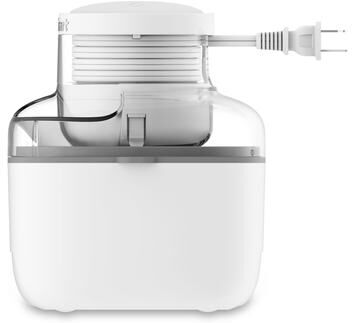
Conair Cuisinart 1 Pint Wonder Ice Cream Maker - 1 PintThe ICE-M10 1 Pint Wonder Ice Cream Maker is compact and designed for maximum storage. The cord wraps around the motor unit, and the stackable lid will keep the counter or cabinet clutter-free.53,99 $*Shipping: 0,00 $Secure redirect to the provider
-
What is the difference between labor camps and extermination camps?
Labor camps were used by the Nazis as a means of exploiting the forced labor of prisoners for economic gain, often in harsh and inhumane conditions. Extermination camps, on the other hand, were specifically designed for the systematic mass murder of prisoners, primarily Jews, through methods such as gas chambers and crematoria. While both types of camps were part of the Nazi regime's brutal system of oppression and genocide, the primary purpose of labor camps was to exploit the labor of prisoners, whereas extermination camps were designed for the systematic extermination of targeted groups. **
-
Which concentration camps existed?
Concentration camps existed in various locations during World War II, primarily in Nazi-occupied Europe. Some of the most notorious concentration camps included Auschwitz, Dachau, Buchenwald, and Treblinka. These camps were used by the Nazis to imprison, torture, and exterminate millions of people, primarily Jews, as well as other targeted groups such as Romani people, homosexuals, and political dissidents. The horrors of these camps have left a lasting impact on history and serve as a reminder of the atrocities committed during the Holocaust. **
-
What are education camps?
Education camps are immersive learning experiences that take place in a camp-like setting. These camps provide a hands-on and interactive approach to education, often focusing on specific subjects or skills. Participants engage in activities, workshops, and projects that help them deepen their knowledge and understanding in a particular area. Education camps can be for students of all ages and are designed to be fun, engaging, and impactful learning experiences. **
-
Are labor camps allowed?
Labor camps are generally considered inhumane and a violation of human rights. Many countries have laws and regulations in place to prevent the establishment of labor camps. The use of forced labor or coercion in any form is illegal in most countries and can result in severe legal consequences. It is important to ensure that all workers are treated fairly and with dignity in accordance with international labor standards. **
* All prices are inclusive of VAT and, if applicable, plus shipping costs. The offer information is based on the details provided by the respective shop and is updated through automated processes. Real-time updates do not occur, so deviations can occur in individual cases. ** Note: Parts of this content were created by AI.