Buy kodeksdobregopiwa.pl ?
We are moving the project
kodeksdobregopiwa.pl .
Are you interested in purchasing the domain
kodeksdobregopiwa.pl ?
domain@kv-gmbh.de · 0541-91531010
Buy kodeksdobregopiwa.pl ?
How did the unicellular organism evolve into a multicellular organism?
The evolution of unicellular organisms into multicellular organisms is believed to have occurred through a process called coloniality. Initially, unicellular organisms formed colonies where individual cells worked together for survival. Over time, some cells within these colonies specialized in specific functions, leading to the development of multicellular organisms with different cell types. This specialization allowed for more complex structures and functions, ultimately leading to the evolution of multicellular organisms. **
How does a single-celled organism become a multicellular organism?
A single-celled organism can become a multicellular organism through a process called cell division and specialization. Initially, the single cell undergoes multiple rounds of cell division, resulting in a cluster of cells. These cells then start to differentiate and specialize in their functions, forming different types of tissues and organs. Through further cell division, specialization, and coordination, these cells organize themselves into a complex multicellular organism with various cell types working together to perform specific functions. This process is known as cellular differentiation and is essential for the development of multicellular organisms. **


Similar search terms for Organism
Top-Angebote
Products related to Organism:
-
Raw Naturals Pale Ale Shower Gel 300mlThis mild and refreshing shower brew takes your shower experience to the next level. The formula transforms into an airy lather and rinses off smoothly, leaving your body and hair thoroughly cleansed, and perfumed to perfection. Key ingredients Mild natural cleansing agents from apple: cleanses deeply. Extracts from hops: caring, calming, and hydrating. Ingredients Aqua, Sodium Lauroyl Methyl Isethionate, Cocamidopropyl Betaine, Glycerin, Sodium Cocoyl Apple Amino Acids, Sodium Chloride, PEG-200 Hydrogenated Glyceryl Palmate, PEG-7 Glyceryl Cocoate, Parfum, Sodium Benzoate, Hydroxypropyl Guar Hydroxypropyltrimonium Chloride, Potassium Sorbate, Citric Acid, Hexylene Glycol, Humulus Lupulus Extract12,99 £*Shipping: 2,95 £Secure redirect to the provider
-
Libbey Craft Brews Nucleated Pint Beer Glasses, 16.75-ounce, Set of 4 - Set of 4Inspired by lovers of a quality cold beer at the end of a long week, the Libbey Craft Brews Nucleated collection is designed to help you get the most out of every sip of your favorite pilsner, ale, stout, IPA, or favorite craft beer.39,52 $*Shipping: 0,00 $Secure redirect to the provider
-
Aeric 50 Pint Dehumidifier - 50 PintThe Energy Star top-rated Aeric 50-pint dehumidifier removes 50 pints of moisture from the air each day, humidistat controls up to 90% humidity, removing dampness and protecting your home from excess moisture.299,99 $*Shipping: 0,00 $Secure redirect to the provider




-
How can a single-celled organism become a multicellular organism?
A single-celled organism can become a multicellular organism through a process called cell aggregation. This occurs when individual cells come together and adhere to each other, forming a multicellular structure. Over time, these cells differentiate and specialize to perform specific functions within the organism, leading to the development of tissues and organs. This process allows the single-celled organism to evolve into a complex, multicellular organism with a higher level of organization and specialization. **
-
How did the single-celled organism develop into a multicellular organism?
The transition from single-celled to multicellular organisms is thought to have occurred through a process called coloniality, where individual cells began to work together and specialize in different functions. This allowed for more efficient resource utilization and increased the organism's ability to adapt to different environments. Over time, these specialized cells became more integrated and developed into the complex multicellular organisms we see today. This transition likely occurred independently in different lineages of organisms, leading to the diverse array of multicellular life forms we see today. **
-
Can viruses transform an entire organism into another similar and permanently viable organism?
No, viruses cannot transform an entire organism into another similar and permanently viable organism. Viruses are not capable of causing such a drastic and complex transformation in an organism. While viruses can cause changes in the host organism's cells and genetic material, they do not have the ability to completely transform one organism into another. The concept of a virus causing such a transformation is more characteristic of science fiction rather than actual scientific understanding of virology. **
-
Is cress a living organism?
Yes, cress is a living organism. It is a type of plant that belongs to the mustard family and is commonly grown for its edible leaves. Like all plants, cress is a living organism that undergoes processes such as photosynthesis, respiration, and growth. It requires water, sunlight, and nutrients to survive and thrive. **

Is yeast a living organism?
Yes, yeast is a living organism. It is a type of fungus that belongs to the kingdom Fungi. Yeast cells are single-celled organisms that can reproduce asexually through budding. They are capable of metabolizing sugars and producing carbon dioxide and alcohol through the process of fermentation. Yeast is commonly used in baking and brewing due to its ability to ferment sugars and produce carbon dioxide, which causes dough to rise and gives beer and wine their alcoholic content. **
Is the blastocyst an organism?
Yes, the blastocyst is considered an organism. It is the stage of development of a fertilized egg before it implants into the uterus. At this stage, the blastocyst is a multicellular structure with specialized cells that will eventually develop into the fetus and placenta. Therefore, the blastocyst can be considered an early stage of an organism's development. **
Top-Angebote
Products related to Organism:
-
Dartington Beer Collection Real Ale TankardEnjoy a perfect pint in this delightful Dartington Lead Crystal Real Ale Tankard. Handmade in England from high quality crystal glass this Tankard has a capacity of 600ml and measures 142mm high. Suitable for hand washing.50,00 £*Shipping: 0,00 £Secure redirect to the provider
-
Raw Naturals Pale Ale Shower Gel 300mlThis mild and refreshing shower brew takes your shower experience to the next level. The formula transforms into an airy lather and rinses off smoothly, leaving your body and hair thoroughly cleansed, and perfumed to perfection. Key ingredients Mild natural cleansing agents from apple: cleanses deeply. Extracts from hops: caring, calming, and hydrating. Ingredients Aqua, Sodium Lauroyl Methyl Isethionate, Cocamidopropyl Betaine, Glycerin, Sodium Cocoyl Apple Amino Acids, Sodium Chloride, PEG-200 Hydrogenated Glyceryl Palmate, PEG-7 Glyceryl Cocoate, Parfum, Sodium Benzoate, Hydroxypropyl Guar Hydroxypropyltrimonium Chloride, Potassium Sorbate, Citric Acid, Hexylene Glycol, Humulus Lupulus Extract12,99 £*Shipping: 2,95 £Secure redirect to the provider
-
Libbey Craft Brews Nucleated Pint Beer Glasses, 16.75-ounce, Set of 4 - Set of 4Inspired by lovers of a quality cold beer at the end of a long week, the Libbey Craft Brews Nucleated collection is designed to help you get the most out of every sip of your favorite pilsner, ale, stout, IPA, or favorite craft beer.39,52 $*Shipping: 0,00 $Secure redirect to the provider
-
How did the unicellular organism evolve into a multicellular organism?
The evolution of unicellular organisms into multicellular organisms is believed to have occurred through a process called coloniality. Initially, unicellular organisms formed colonies where individual cells worked together for survival. Over time, some cells within these colonies specialized in specific functions, leading to the development of multicellular organisms with different cell types. This specialization allowed for more complex structures and functions, ultimately leading to the evolution of multicellular organisms. **
-
How does a single-celled organism become a multicellular organism?
A single-celled organism can become a multicellular organism through a process called cell division and specialization. Initially, the single cell undergoes multiple rounds of cell division, resulting in a cluster of cells. These cells then start to differentiate and specialize in their functions, forming different types of tissues and organs. Through further cell division, specialization, and coordination, these cells organize themselves into a complex multicellular organism with various cell types working together to perform specific functions. This process is known as cellular differentiation and is essential for the development of multicellular organisms. **
-
How can a single-celled organism become a multicellular organism?
A single-celled organism can become a multicellular organism through a process called cell aggregation. This occurs when individual cells come together and adhere to each other, forming a multicellular structure. Over time, these cells differentiate and specialize to perform specific functions within the organism, leading to the development of tissues and organs. This process allows the single-celled organism to evolve into a complex, multicellular organism with a higher level of organization and specialization. **
-
How did the single-celled organism develop into a multicellular organism?
The transition from single-celled to multicellular organisms is thought to have occurred through a process called coloniality, where individual cells began to work together and specialize in different functions. This allowed for more efficient resource utilization and increased the organism's ability to adapt to different environments. Over time, these specialized cells became more integrated and developed into the complex multicellular organisms we see today. This transition likely occurred independently in different lineages of organisms, leading to the diverse array of multicellular life forms we see today. **
Similar search terms for Organism
-
Aeric 50 Pint Dehumidifier - 50 PintThe Energy Star top-rated Aeric 50-pint dehumidifier removes 50 pints of moisture from the air each day, humidistat controls up to 90% humidity, removing dampness and protecting your home from excess moisture.299,99 $*Shipping: 0,00 $Secure redirect to the provider
-
Addison Rugs Machine Washable Indoor/ Outdoor Casual Hoppy Chantille RugEnliven your home with the transitional charm of painterly square swatches, softly brushed to perfection. Offering remarkable versatility, UV stabilization ensures suitability for both indoor and outdoor settings.329,49 $*Shipping: 0,00 $Secure redirect to the provider
-
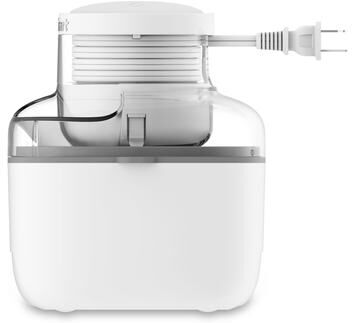
Conair Cuisinart 1 Pint Wonder Ice Cream Maker - 1 PintThe ICE-M10 1 Pint Wonder Ice Cream Maker is compact and designed for maximum storage. The cord wraps around the motor unit, and the stackable lid will keep the counter or cabinet clutter-free.53,99 $*Shipping: 0,00 $Secure redirect to the provider
-
Can viruses transform an entire organism into another similar and permanently viable organism?
No, viruses cannot transform an entire organism into another similar and permanently viable organism. Viruses are not capable of causing such a drastic and complex transformation in an organism. While viruses can cause changes in the host organism's cells and genetic material, they do not have the ability to completely transform one organism into another. The concept of a virus causing such a transformation is more characteristic of science fiction rather than actual scientific understanding of virology. **
-
Is cress a living organism?
Yes, cress is a living organism. It is a type of plant that belongs to the mustard family and is commonly grown for its edible leaves. Like all plants, cress is a living organism that undergoes processes such as photosynthesis, respiration, and growth. It requires water, sunlight, and nutrients to survive and thrive. **
-
Is yeast a living organism?
Yes, yeast is a living organism. It is a type of fungus that belongs to the kingdom Fungi. Yeast cells are single-celled organisms that can reproduce asexually through budding. They are capable of metabolizing sugars and producing carbon dioxide and alcohol through the process of fermentation. Yeast is commonly used in baking and brewing due to its ability to ferment sugars and produce carbon dioxide, which causes dough to rise and gives beer and wine their alcoholic content. **
-
Is the blastocyst an organism?
Yes, the blastocyst is considered an organism. It is the stage of development of a fertilized egg before it implants into the uterus. At this stage, the blastocyst is a multicellular structure with specialized cells that will eventually develop into the fetus and placenta. Therefore, the blastocyst can be considered an early stage of an organism's development. **
* All prices are inclusive of VAT and, if applicable, plus shipping costs. The offer information is based on the details provided by the respective shop and is updated through automated processes. Real-time updates do not occur, so deviations can occur in individual cases. ** Note: Parts of this content were created by AI.